In March, the World Food Programme warned that if oil prices remained above $100 a barrel through July, as many as 45 million people could be pushed into acute hunger. The warning was reported. It was noted. It was filed. Oil has remained above $100 a barrel since early March. This week, the WFP said the warning has become reality.
An additional 2.5 million people in Somalia are now unable to afford a basic food basket. A further 2.3 million in Afghanistan have been pushed into acute hunger. Another 1.3 million in Sri Lanka can no longer meet their basic food needs. Six million people, across three countries, none of them near the Strait of Hormuz, driven toward starvation by the closure of a waterway they cannot see, by a war none of them voted for, over a nuclear programme none of them benefit from.
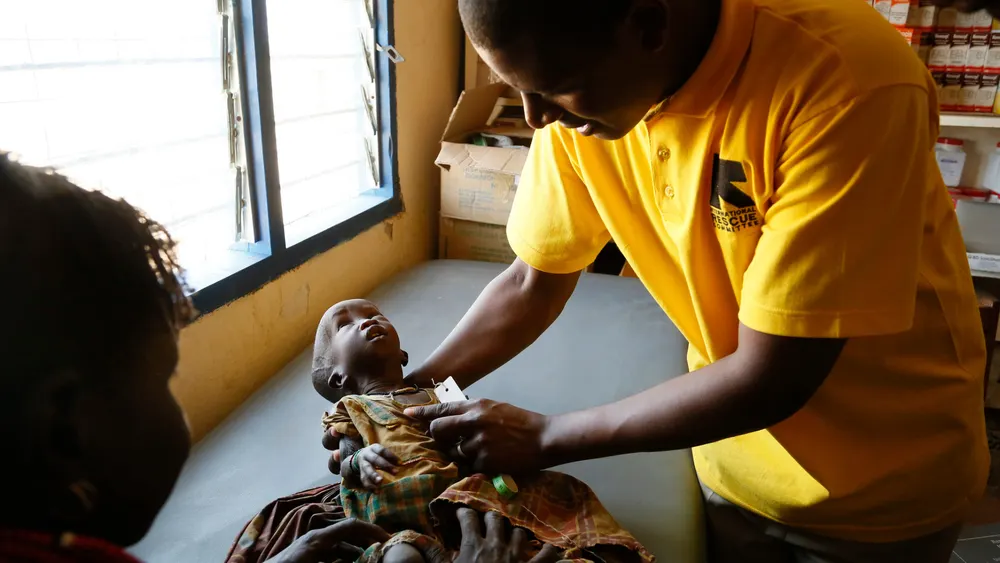
The mechanism is not complicated. The Strait of Hormuz carried roughly 20 per cent of the world’s seaborne oil before February 28. Its closure has driven fuel costs sharply higher. Fuel and food prices move together in the world’s poorest countries — when energy costs rise, the cost of transporting food, producing fertiliser and running the cold chains that keep aid deliverable rises with it. WFP Acting Executive Director Carl Skau put it without euphemism: ‘When the price of food goes up 20 to 30 per cent, they eat 20 to 30 per cent less.’ In Somalia, supplies of nutritious food for children under five suffering from moderate malnutrition will run out as soon as July. The WFP faces an 89 per cent funding gap in the country. ‘We are running out of food,’ the agency said.
Afghanistan is the sharpest case. It has no coastline. It has no oil. It has no stake in the Iranian nuclear question. Its 17.4 million people facing severe hunger in 2026 are there because the planting season is failing, because fertiliser shipments are disrupted, because fuel for the trucks that carry aid has become unaffordable. A war over uranium enrichment levels is destroying harvests in countries that do not grow uranium.
This is not an unforeseen consequence. The WFP said in March, with specific numbers, that this would happen if the Strait remained closed. The Strait remained closed. The numbers arrived on schedule. What did not arrive was the policy response — from Washington, from the coalition conducting the war, from the governments whose decisions produced the closure. What arrived instead was a Hormuz toll regime charging ships $2 million a transit, a tentative nuclear deal still under negotiation, and US government funding to the WFP that has fallen from $4 billion in 2024 to $731 million in 2026. The country that helped close the strait cut the food budget at the same time.
The political language around the Iran war has been consistent: self-defence, regional security, rules-based order. These are not meaningless phrases. But they have a geography. They apply most forcefully to the countries conducting the war and the country being bombed. They do not reach Somalia’s children. They do not reach Afghanistan’s harvest. They do not appear in the WFP report. Neither does a plan.
Skau noted that even if the Strait were to reopen tomorrow, the impact would continue to be felt. The food insecurity already created does not reverse when the ships start moving again. The children already malnourished do not recover when the fuel price drops. The damage accumulates. The reckoning does not.