Jhonny Sebastian Palacios is a fisherman from Manta, Ecuador. He does not go to sea anymore. In March, a US-flagged vessel struck his boat in international waters, then struck it again — what survivors describe as a double-tap attack designed to ensure no one swims away. He and other survivors were hooded, handcuffed, taken by ship to El Salvador, and returned to Ecuador weeks later. He was not charged with anything. He was not identified as a narco-trafficker. He was not named in any US government statement. He simply stopped going to sea.
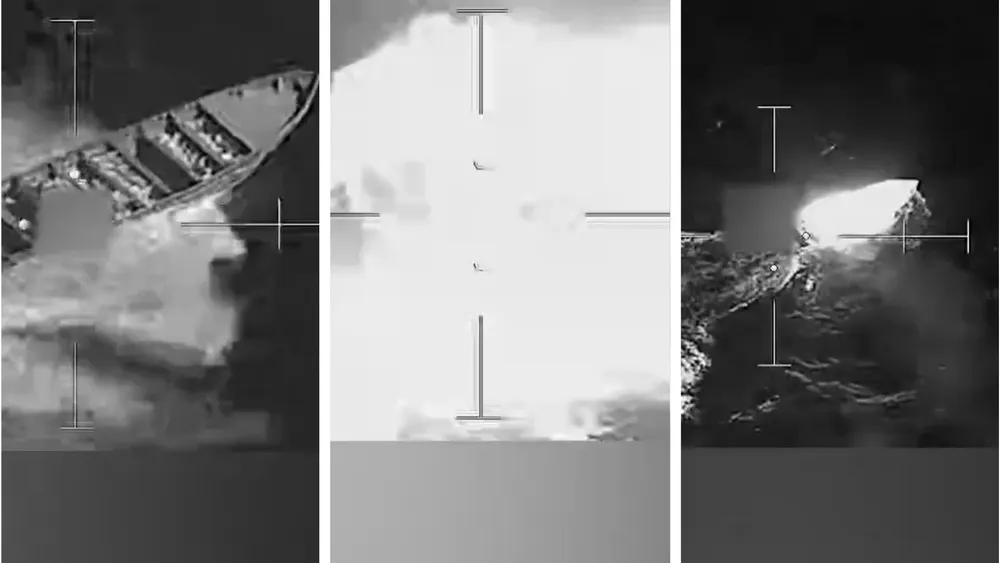
Washington calls Operation Southern Spear a drug enforcement campaign. Since September 2025, US forces have conducted more than 50 strikes on boats in the Eastern Pacific and Caribbean, killing nearly 200 people. These are unilateral American operations on international waters — not joint operations, not invited interventions, not operations Ecuador was informed about or consented to. Ecuadorian fishermen were among the dead. When Ecuador's President Daniel Noboa was asked about their cases at a Washington forum earlier this month, he questioned the fishermen's motivations rather than demanding answers from the country that killed them. He is a close Trump ally. He did not say whether Ecuador had asked Washington for information about the strikes. Not one victim has been publicly named. Not one piece of evidence has been presented in any court. Not one of the dead has been formally identified as a narco-trafficker by any legal process that carries due process. Washington announces the strikes. SOUTHCOM posts the footage. The boats burn. The bodies sink. The press releases go out. No names. No charges. No trial.
The Trump administration's position is consistent and simple: these are narco-terrorists, the operations are lawful, and anyone questioning them is running cover for drug smugglers. The White House called UN criticism 'ridiculous.' When the UN High Commissioner for Human Rights called the strikes unlawful and demanded they stop, the response from Washington was that the UN had 'failed at everything from operating an escalator to ending wars.' When the ACLU and the Center for Constitutional Rights brought the case to the Inter-American Commission on Human Rights in March, US representatives attended and decried the attempt to hold them accountable.
The legal consensus outside Washington is not ambiguous. Human Rights Watch has concluded the strikes constitute extrajudicial killings — unlawful killings by state authorities without legal justification or process. The UN Special Rapporteur on counterterrorism said those ordering and carrying out the strikes should be investigated and prosecuted for homicide. The UN High Commissioner for Human Rights said countering drug trafficking is a law enforcement matter, not a military one, and that none of the targeted individuals appeared to pose the kind of imminent threat that justifies lethal force under international law. Two Trinidadian men — Chad Joseph and Rishi Samaroo — were killed in October 2025 travelling by boat from Venezuela to their homes. They were not drug traffickers. Washington has never explained the strike.
This is the same government bombing Iran in self-defence. Blockading Cuba in the name of democracy. Boarding humanitarian flotillas in international waters off Cyprus. Conducting joint military operations inside Ecuador at the invitation of a government whose own fishermen it was killing in international waters. Demanding consequences for Russian violations of ceasefire agreements. The architecture of accountability Washington deploys against its adversaries — international law, due process, rules-based order — has a consistent blind spot. It applies everywhere except in the Eastern Pacific, the Caribbean and wherever else Washington decides the rules do not apply this week.
Palacios says he does not want to go to sea anymore. His boats are gone. His crew was taken to another country and returned without explanation. The US government has not named him, charged him or acknowledged his existence. He is one of the lucky ones. Nearly 200 people in international waters since September 2025 were not.
Nobody named them either.