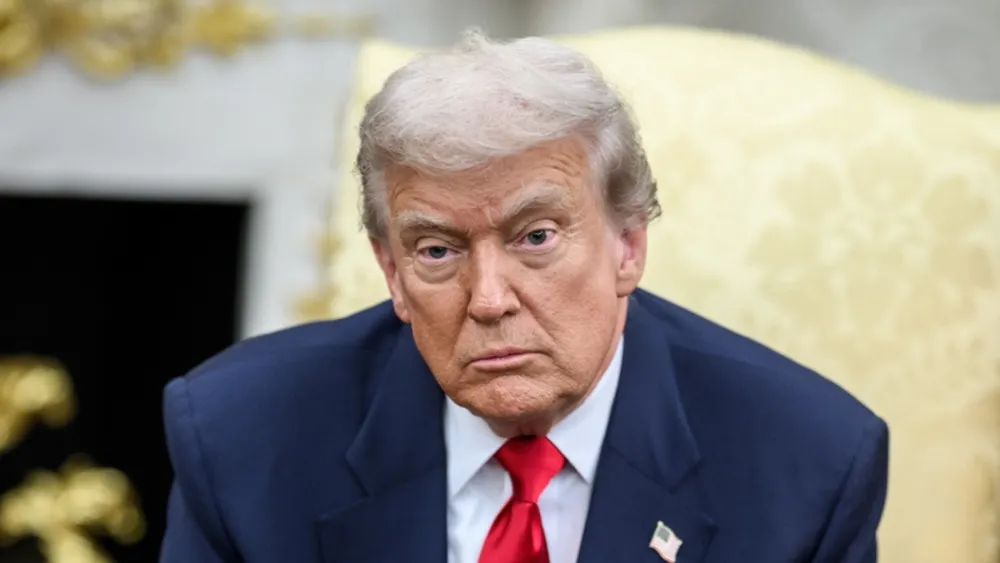
On June 17, Donald Trump signed the Islamabad Memorandum at the Palace of Versailles and told Axios it was probably unconditional surrender — Iran's. He called Iran's negotiating team the smartest group his administration had dealt with. He said America had defeated Iran totally militarily. He described the Iranian people as very smart people. The deal, he suggested, was a wall to a nuclear weapon. Obama's deal had been a road. His was a wall.
On July 8, standing at a NATO summit in Ankara while Khamenei's coffin was moving through Najaf, he called those same leaders scum, cuckoo and liars. He said the deal was over. He said his negotiators were wasting their time. He said: 'We may just do it without a deal, because it's easier.'
Twenty-one days separated those two descriptions of the same people and the same agreement.
The name-calling is not a diplomatic strategy. It is the sound of a man who oversold a deal, discovered what he had sold, and cannot afford to say so. The MOU that Witkoff and Kushner negotiated gave Iran the oil sanctions waiver before inspections resumed. It lifted the naval blockade before enrichment was verified. It created a 60-day negotiating window with no enforcement mechanism and no neutral arbiter. CSIS called it horrifically lopsided. This publication said so on June 22, when the full text became public. Trump was still calling it unconditional surrender.
What Iran did with the breathing space was predictable and predicted. It used the Strait of Hormuz not as a passage to reopen but as leverage to monetise: asserting control over shipping routes, directing vessels to pre-approved corridors, moving toward a toll system that would turn the world's most critical oil chokepoint into an Iranian revenue stream. That is not ceasefire compliance. It is a state using a ceasefire to consolidate the single most valuable gain of the war. The three ships struck on July 6 and 7 were not an escalation. They were a demonstration that Iran intended to keep what the MOU had given it room to build.
CNN's analysis this week described Trump's options as not many and all bad. Walking away leaves Iran with permanent Hormuz leverage and enshrines what the analysis called an embarrassing defeat. Continuing to strike without a diplomatic framework produces exactly what is happening now: exchanges of fire that cost money, credibility and lives while solving nothing. The war that cost US taxpayers $113 billion by mid-June, that killed thousands of Iranians and displaced millions across the region, that closed the Strait and sent oil to $120 a barrel, produced a memorandum too vague to hold and too lopsided to build on.
Iran contacted Washington after the latest strikes and asked for a new deal. Trump said he did not know if they were worthy of making one. The country being bombed is not negotiating from surrender. It is negotiating from the position of a state that still controls the Strait, still holds its enriched uranium in underground facilities the strikes did not destroy, and knows that Washington needs a deal more than Tehran does, because Washington is the one with stock indices to protect and an election cycle to manage.
The smartest people he ever dealt with understood this before he signed. The name-calling is confirmation that he has understood it since.