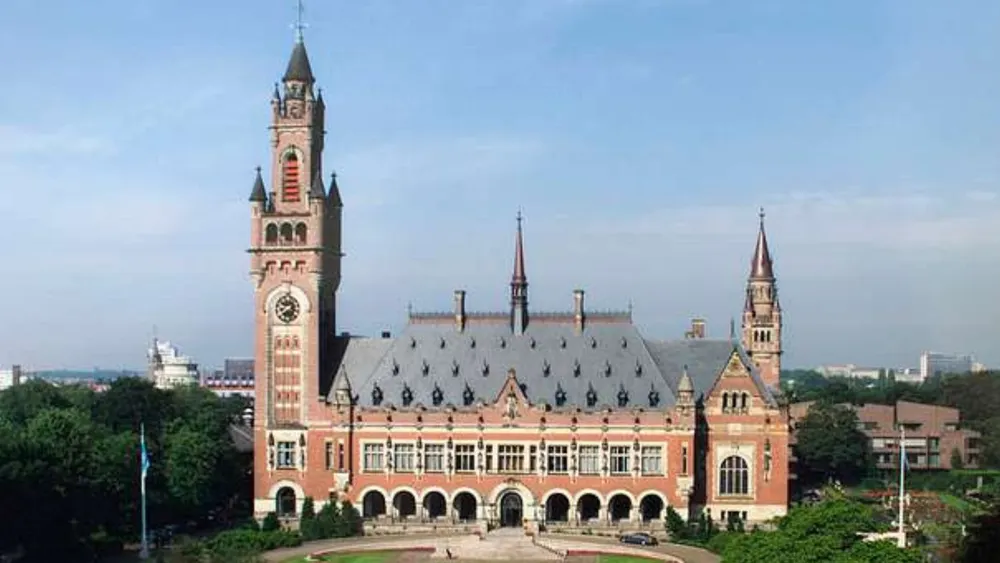
On November 21, 2024, the International Criminal Court issued arrest warrants for Benjamin Netanyahu and Yoav Gallant. As of June 2026, neither has been executed. On February 6, 2025, President Trump signed an executive order sanctioning the court’s chief prosecutor and authorising asset freezes against court officials. In March 2023, the same court issued an arrest warrant for Vladimir Putin. That arrest has not happened either. The crime Putin was charged with was the deportation of Ukrainian children, not the act of starting the war itself, which Robert Jackson — the American chief prosecutor at Nuremberg — called the supreme international crime. Since Nuremberg, no one has been successfully prosecuted for it.
The international justice project is in one of its worst stretches since the Cold War halted the momentum of the Nuremberg trials. The court that was supposed to be the permanent embodiment of Nuremberg’s promise is being sanctioned by the state most responsible for creating that promise. The crime that Nuremberg treated as the foundation of the entire legal enterprise has effectively dropped off the ICC’s docket. And the warrants that have been issued for the leaders of ongoing conflicts sit in a filing cabinet somewhere in The Hague, unexecuted, while the wars continue.
The books on this list were selected because they explain how the world arrived here. They cover Nuremberg and its aftermath, the ICC’s construction and its limits, the political conditions that make tribunals possible and the philosophical questions that no trial can fully answer. They do not share a single political position. Several argue directly against each other. What they share is a commitment to taking the accountability project seriously enough to examine it honestly, including its failures.
This list is not a ranked order. It is a reading sequence. Begin with the most immediately readable and work toward the most theoretically demanding. By the end of the twelve, you will understand what international justice was designed to do, what it cannot do and why the distance between those two things is not a flaw in the system. It is the system.
A note on the anchor. DiploPolis recently interviewed Lawrence Douglas, whose new book closes this list. The interview covers the belatedness problem, the Putin and Netanyahu warrants and what Douglas calls his tragic liberal faith in the accountability project. It is the best single starting point for a reader who wants to understand why these books matter in June 2026.
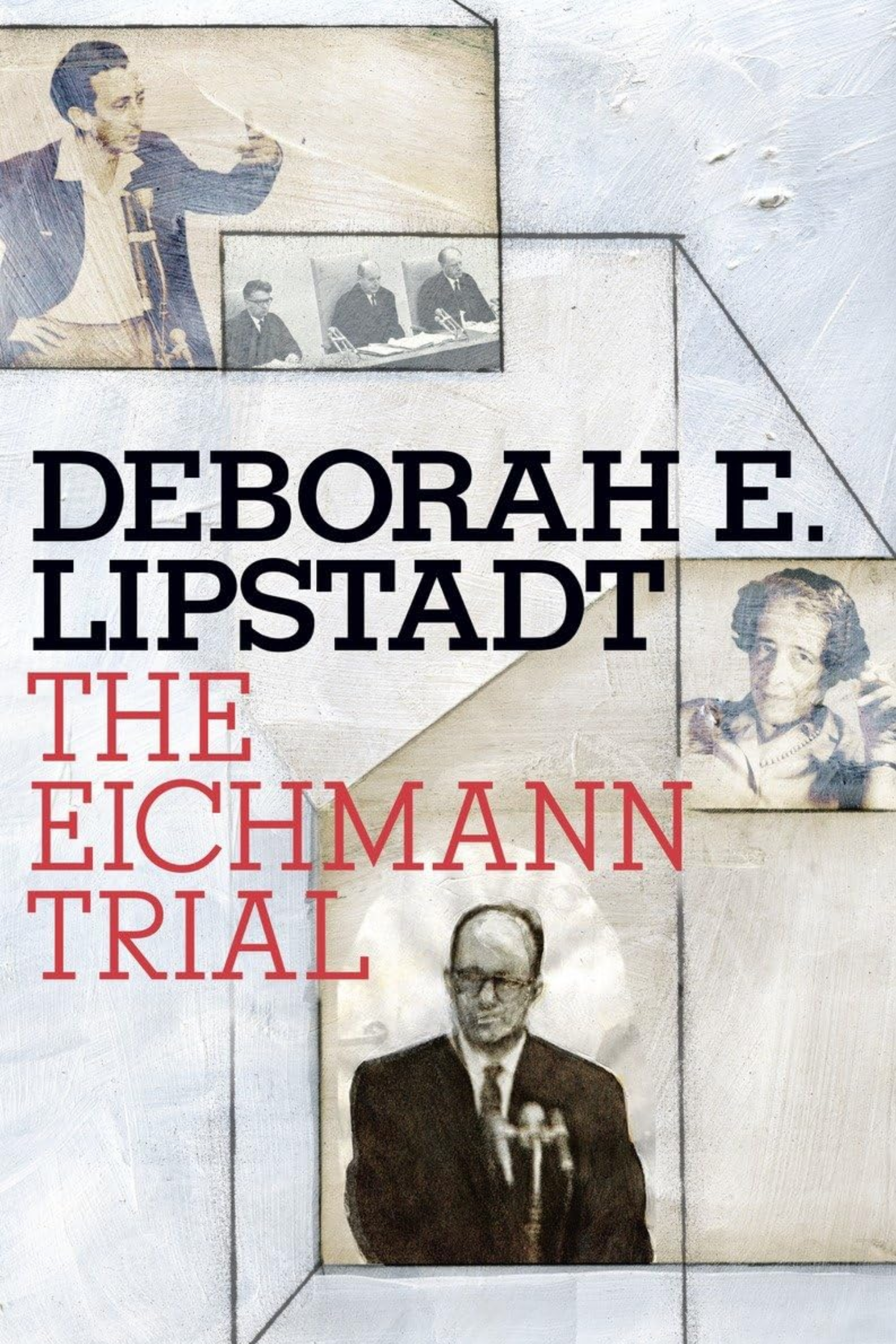
1. The Eichmann Trial — Deborah Lipstadt
Schocken Books, 2011
The Eichmann Trial is the shortest and most immediately accessible book on this list and the right place to begin. Deborah Lipstadt covers Adolf Eichmann’s capture by Israeli intelligence in Argentina in 1960, his transport to Jerusalem and the trial that followed in clear, engaged prose. The book is particularly strong on what the trial was actually designed to do. David Ben-Gurion’s decision to prosecute Eichmann in an Israeli court rather than hand him to an international tribunal was a deliberate act of political communication: this crime belonged to the Jewish people, the state of Israel existed to ensure it could never happen again, and the victims — who had been largely absent from the Nuremberg proceedings — would be heard. Lipstadt is also honest about the trial’s contradictions, including the kidnapping that made it possible and the legal questions about jurisdiction that it bypassed. Read this before Arendt, not after. Arendt’s argument only makes full sense once you know the trial she attended. Lipstadt will give you that. Available from Amazon
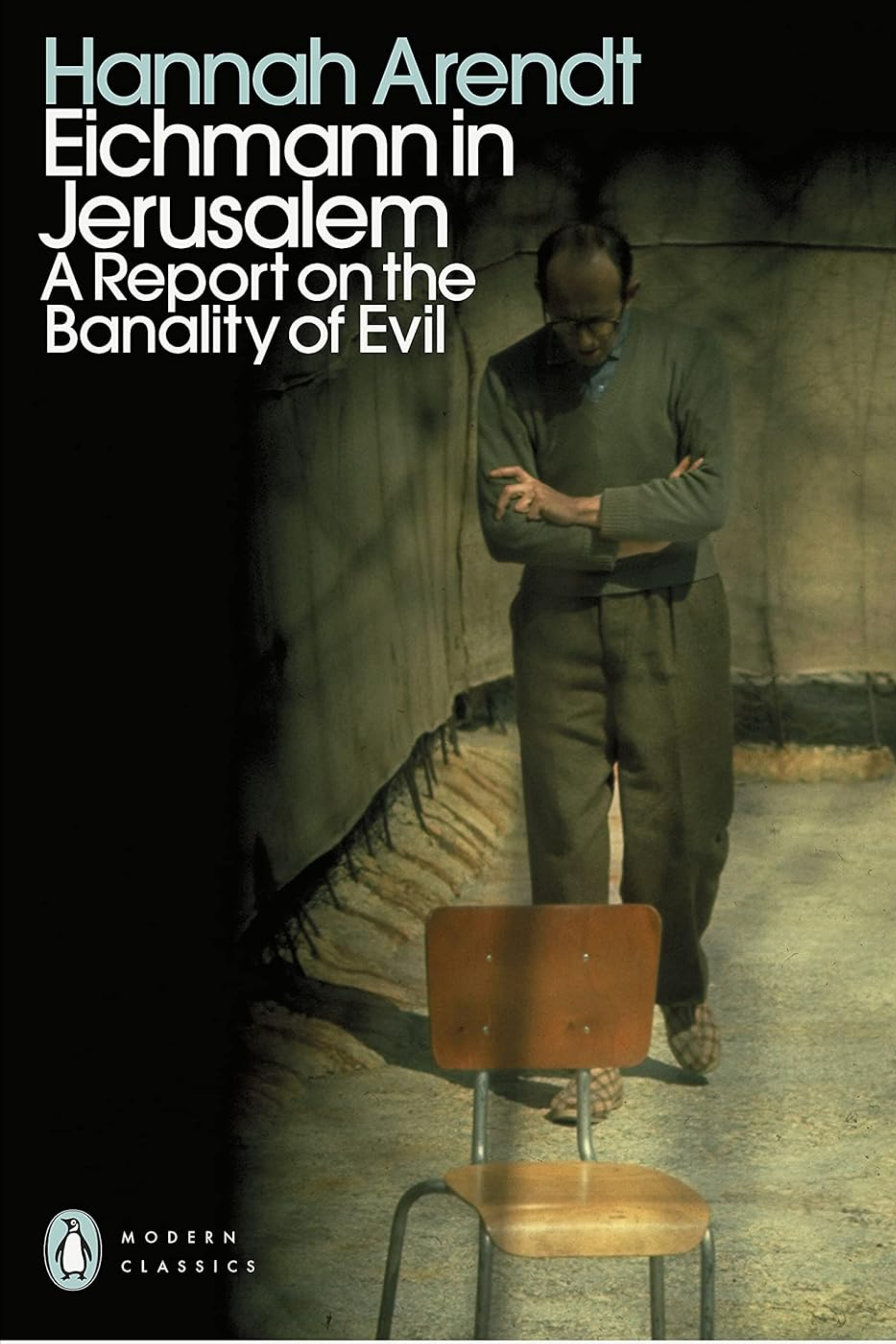
2. Eichmann in Jerusalem: A Report on the Banality of Evil — Hannah Arendt
Viking Press, 1963. Revised and enlarged edition, Penguin, 1994
This is the most contested and most important book in the literature. Hannah Arendt attended the Eichmann trial in Jerusalem in 1961 as a correspondent for The New Yorker and produced an account that provoked furious controversy and has never stopped being discussed. The concept she introduced — the banality of evil — was widely misread as a claim that Eichmann was a small man rather than a monster. Arendt’s actual argument is more disturbing: that the most destructive crimes in modern history were committed not by demons but by bureaucrats who had suspended their capacity for independent moral judgement in favour of institutional loyalty and career advancement. Eichmann, in her account, was not evil in the conventional sense. He was something harder to condemn and harder to prevent: a man who had stopped thinking about what he was doing. The political argument of the book — about collective responsibility, about the role of Jewish leaders during the Holocaust, about what justice requires — provoked accusations that followed Arendt for the rest of her life. Read it knowing you will disagree with some of it. That is the point. Available from Amazon
3. East West Street: On the Origins of Genocide and Crimes Against Humanity — Philippe Sands
Weidenfeld & Nicolson / Knopf, 2016. Winner of the Baillie Gifford Prize for Non-Fiction
The most readable book in this collection and the one most likely to make a reader care about the legal vocabulary of international justice in a way that no textbook can. Philippe Sands is a British human rights lawyer who was invited to give a lecture in the Ukrainian city of Lviv and discovered, in the course of preparing for it, that his grandfather had been born there, that two of the men who created the legal concepts governing the Nuremberg trials had studied there, and that the Nazi official who had governed the city during the war was the father of a man Sands had been in conversation with. The book follows two lawyers — Hersch Lauterpacht, who gave the world the concept of crimes against humanity, and Raphael Lemkin, who gave it the word genocide — and weaves their biographies with his own family history. The words we use to describe the worst crimes in human history were invented by specific people in specific places in response to specific events. Sands makes this concrete in a way that most legal scholarship cannot. The book also contains one of the finest accounts of the Nuremberg trial itself, seen through the eyes of people who had personal stakes in its outcome. Available from Amazon
4. A Problem from Hell: America and the Age of Genocide — Samantha Power
Basic Books, 2002. Pulitzer Prize for General Non-Fiction, 2003
The book that changed how a generation of American policymakers thought about genocide, or should have. Samantha Power examined the American government’s response to every major genocide of the twentieth century, from the Armenian massacres through Cambodia, Iraq’s chemical attack on the Kurds at Halabja in 1988, Bosnia and Rwanda to Kosovo. Her central finding is not that American officials lacked information. They had the information. The pattern she documents is more damaging: a systematic preference for maintaining relationships with perpetrator states over defending the populations they were destroying, rationalised through bureaucratic language that kept the word genocide off official documents as long as possible. Power’s book is essential for anyone who wants to understand why the United States — the state most responsible for creating the Nuremberg framework — has been so inconsistent in enforcing it. She became the US Ambassador to the United Nations under Obama and later led USAID under Biden. Whether the book changed her own policy judgements is a question the book raises but cannot answer. The argument it makes about American political culture stands regardless. Available from Amazon
5. Stay the Hand of Vengeance: The Politics of War Crimes Tribunals — Gary Jonathan Bass
Princeton University Press, 2000
The essential political science account of why war crimes tribunals get created. Gary Bass examined the history of international criminal proceedings from the failed attempt to prosecute the Kaiser after the First World War through Nuremberg and the post-Cold War tribunals for Yugoslavia and Rwanda. His central argument is that war crimes trials are established when the victors are liberal democracies with domestic publics who demand accountability, and not otherwise. Non-liberal states that win wars do not build tribunals. Liberal states do, imperfectly, inconsistently and with significant political pressure from governments that would prefer to move on. This explains both why Nuremberg happened and why it was an exception rather than a rule. The book was published before the ICC existed, but its analytical framework applies directly to why the ICC’s docket is overwhelmingly African and why the permanent five members of the Security Council have consistently shaped the court to protect themselves. Read it alongside Bosco’s Rough Justice for the complete picture. Available from Amazon
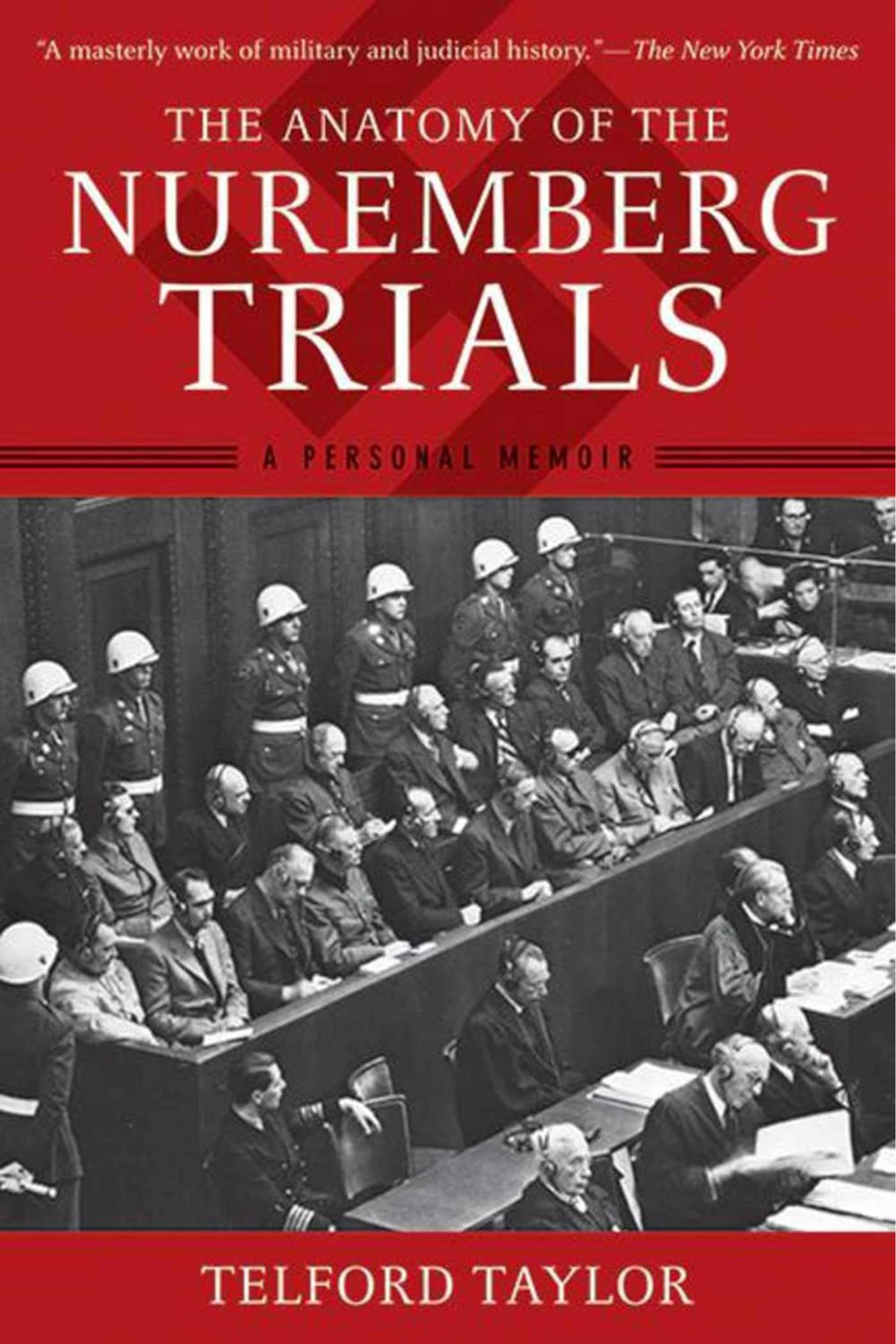
6. The Anatomy of the Nuremberg Trials — Telford Taylor
Alfred A. Knopf, 1992
Telford Taylor was a Brigadier General in the US Army who served as Chief Counsel for the twelve subsequent Nuremberg trials — the American military tribunals that prosecuted doctors, lawyers, judges, industrialists, military officers and SS commanders in the years after the main Nuremberg proceedings concluded. He wrote this history more than four decades later. It is the most detailed insider account of what the trials actually were, how the prosecution constructed its cases and where the legal arguments succeeded and where they did not. Taylor was not uncritical. He acknowledged the procedural compromises, the political pressures and the inconsistencies in how charges were applied. But he believed in the project’s ultimate significance. The book is harder to find than most others on this list and more demanding to read, but it fills a gap that no other source fills: the direct testimony of someone who was inside the process and understood both its legal architecture and its political constraints. It is the foundation on which every serious subsequent analysis of Nuremberg rests. Available from Amazon
7. Rough Justice: The International Criminal Court in a World of Power Politics — David Bosco
Oxford University Press, 2014
The book that Lawrence Douglas’s interview implicitly requires. Bosco examines the International Criminal Court from the perspective of the great powers and documents in methodical detail how the United States, China, Russia, France and Britain shaped the court’s structure and jurisdiction at the Rome Conference in 1998 to serve their strategic interests, limit the court’s authority over their own personnel and use it against their adversaries. The book was published in 2014, before Trump sanctioned the court’s officials and before warrants were issued for Netanyahu. But everything Bosco predicted about the fragility of the court’s position relative to the great powers has been confirmed by subsequent events. His central argument — that the ICC operates in a world of power politics and has always done so — is not a counsel of despair. It is a realistic account of what the court is and what it can actually do within the constraints it cannot escape. For readers who want to understand why the Africa-heavy docket is not an accident, this is the book. It names the mechanism. Available from Amazon
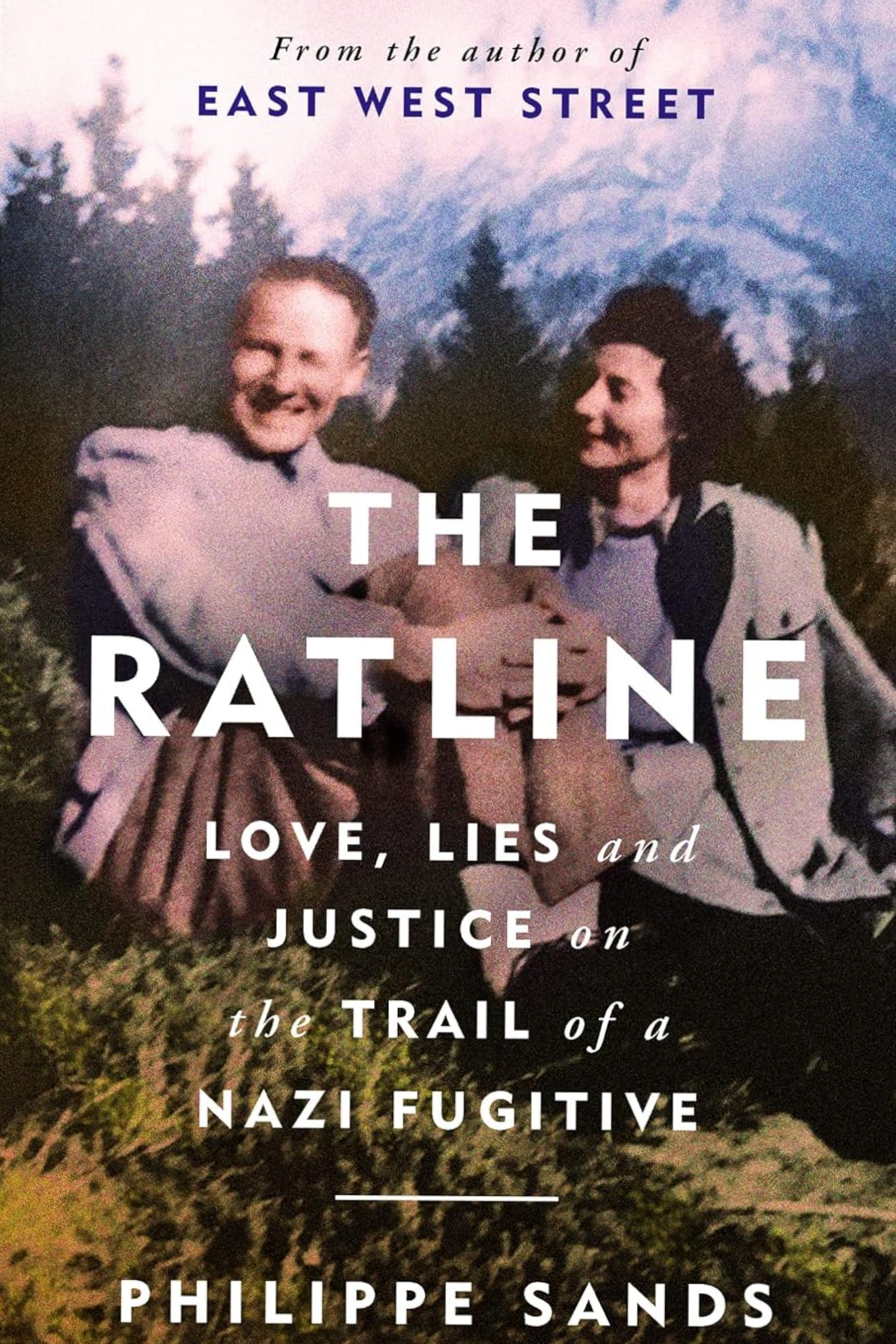
8. The Ratline: Love, Lies and Justice on the Trail of a Nazi Fugitive — Philippe Sands
Weidenfeld & Nicolson / Knopf, 2020
Sands returns in a second book that takes up where East West Street ended. The ratlines were the escape networks that helped Nazi war criminals flee Europe after 1945. Otto Wächter was the SS Governor of Galicia who oversaw massacres in Poland and Ukraine and escaped justice by hiding in Rome under the protection of a Catholic bishop before dying there in 1949. Sands discovered Wächter’s son, Horst, who spent his life defending his father’s memory and engaged Sands in years of conversation about what his father had done. The book raises questions that no court can answer. What does justice mean when the perpetrator dies before prosecution? What is the moral responsibility of a son who knows what his father did and chooses to defend him? How should we understand the institutions, including parts of the Catholic Church, that protected war criminals from accountability? The Ratline works as a companion to East West Street and as a standalone account of the long aftermath of atrocity. The questions it poses about complicity and inherited responsibility are the ones the formal legal framework of international justice has least to say about. Available from Amazon
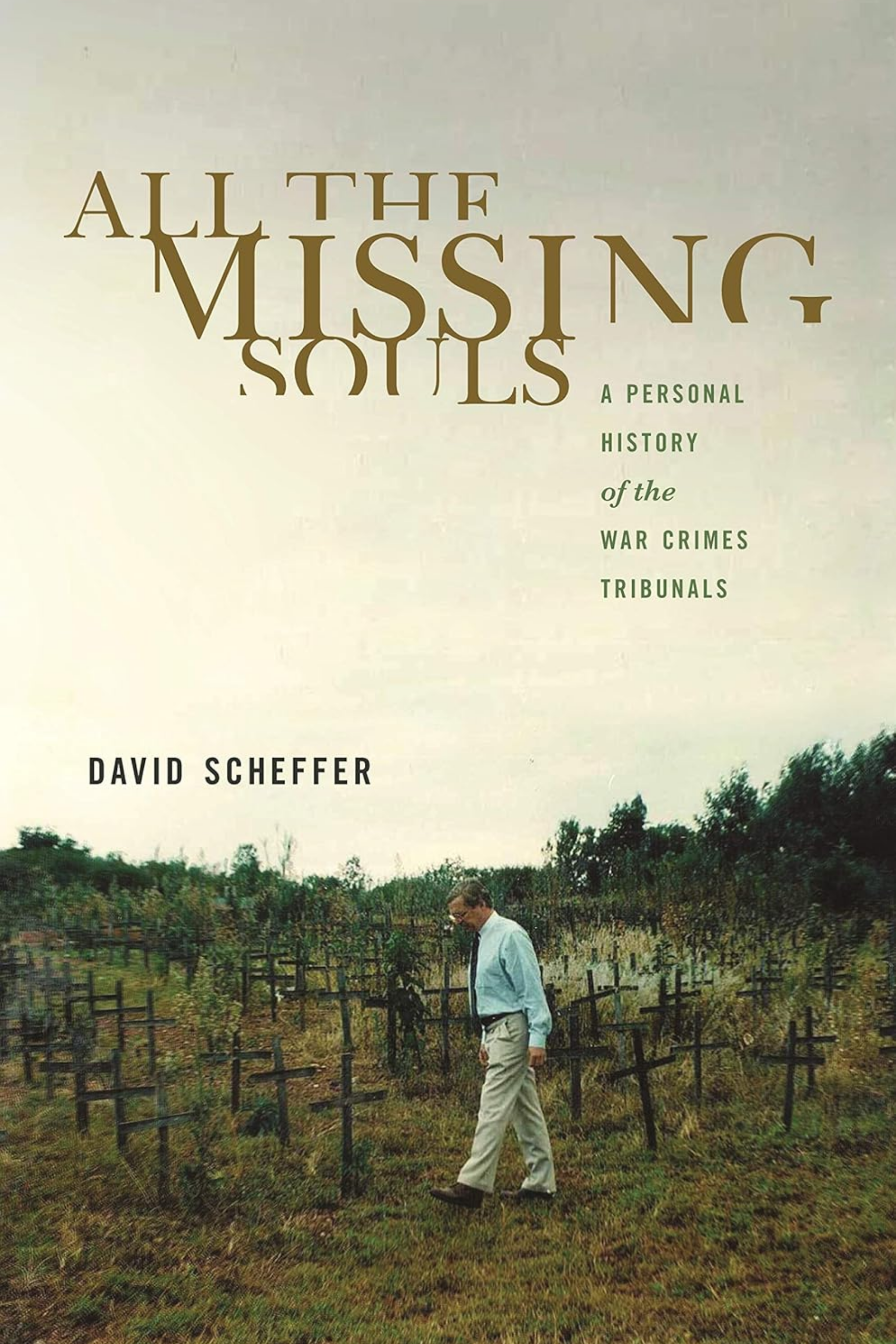
9. All the Missing Souls: A Personal History of the War Crimes Tribunals — David Scheffer
Princeton University Press, 2012
David Scheffer was the United States Ambassador-at-Large for War Crimes Issues under President Clinton from 1997 to 2001, the first person to hold that role. He was involved in negotiating the Rome Statute that created the ICC, in establishing the Yugoslavia and Rwanda tribunals and in the early design of special courts for Sierra Leone and Cambodia. This book is the insider account of how the international criminal justice architecture of the 1990s was built. Scheffer was a supporter of the ICC but the Clinton administration ultimately did not sign the Rome Statute, and the Bush administration then unsigned it. Scheffer explains both decisions with the candour of someone who was in the room and believed in the project. He also documents the specific ways in which the US shaped the Rome Statute to protect American personnel from its jurisdiction. The book lacks the literary quality of Sands and the analytical elegance of Bass, but it contains something the other books cannot: the direct record of the decisions that created the institutions we are now arguing about. Available from Amazon
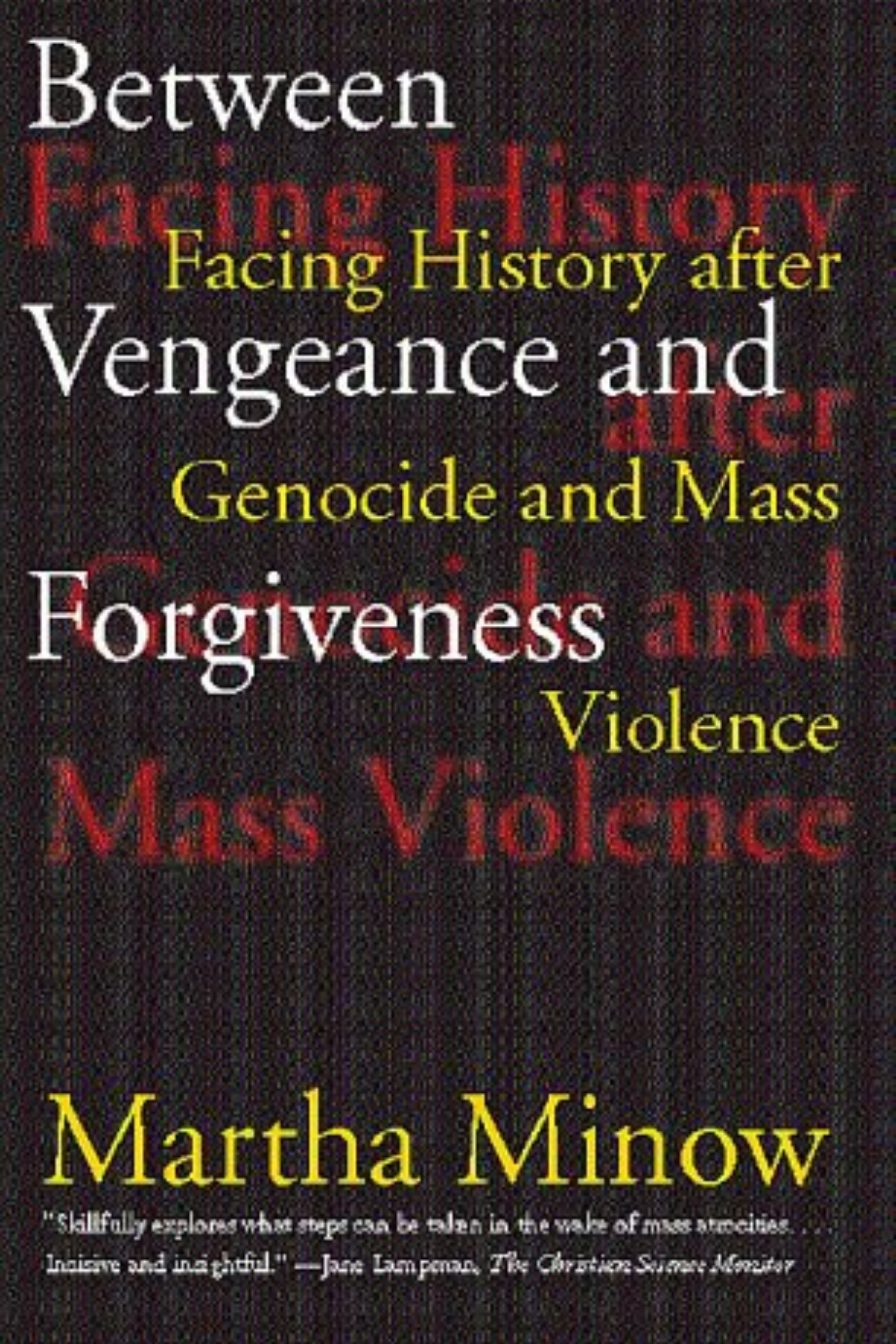
10. Between Vengeance and Forgiveness: Facing History After Genocide and Mass Violence — Martha Minow
Beacon Press, 1998
The most thoughtful book on this list about what societies actually need after mass atrocity, as opposed to what the formal criminal justice framework can provide. Martha Minow, a Harvard law professor, examines the full spectrum of responses available to societies emerging from genocide and mass violence: criminal trials, truth and reconciliation commissions, reparations, lustration, collective memory projects, forgiveness. She is not opposed to criminal prosecution, but she is honest about its limitations. Criminal trials identify perpetrators and assign punishment. They do not restore communities, address the structural conditions that made atrocity possible or provide survivors with the reckoning they need. Truth commissions do some of those things but cannot deliver punishment. Reparations address material harm but not moral injury. There is no single response that does everything mass atrocity demands. Minow’s contribution is to map the landscape of responses and examine their respective strengths and failures without assuming that any one instrument is sufficient. The book was written in the context of South Africa’s Truth and Reconciliation Commission and before the ICC existed. It has only become more relevant since. Available from Amazon
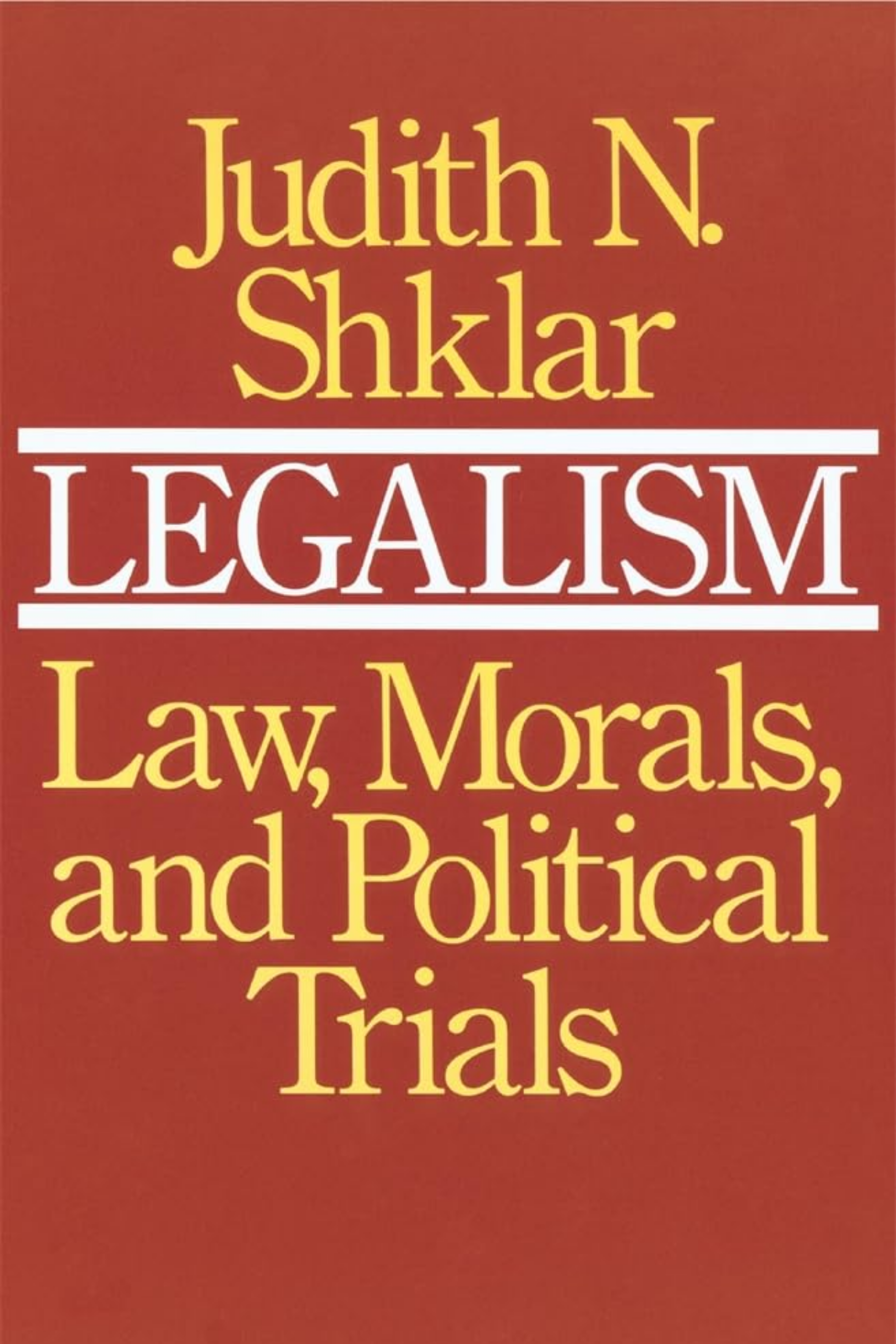
11. Legalism: Law, Morals and Political Trials — Judith Shklar
Harvard University Press, 1964. Reissued with new preface, 1986
The book that everyone in international criminal law argues with and nobody can ignore. Judith Shklar published Legalism in 1964, before the ICC existed and before the Yugoslav and Rwanda tribunals. Her argument is structural, not event-specific: the attempt to use criminal trials to resolve fundamentally political conflicts is a form of bad faith. Nuremberg, in her account, was a political act dressed in legal clothing. The allies had decided what they wanted to do with the Nazi leadership and constructed the legal framework to justify the decision. This does not mean Nuremberg was wrong. Shklar thinks it was right as a political act. Her argument is against the legalist ideology that presents it as a purely legal proceeding and against the broader belief that law is the appropriate instrument for every serious problem. When you apply legal categories to political events, you import all the constraints of legal procedure — the demand for individual guilt, the rules of evidence, the requirement of consistency — into situations that those constraints were not designed to handle. The result is a system that cannot prosecute aggression because aggression is too political to define legally, and that prosecutes atrocities inconsistently because political considerations determine who gets indicted. Shklar described this problem sixty years ago. It has not been resolved. Available from Amazon
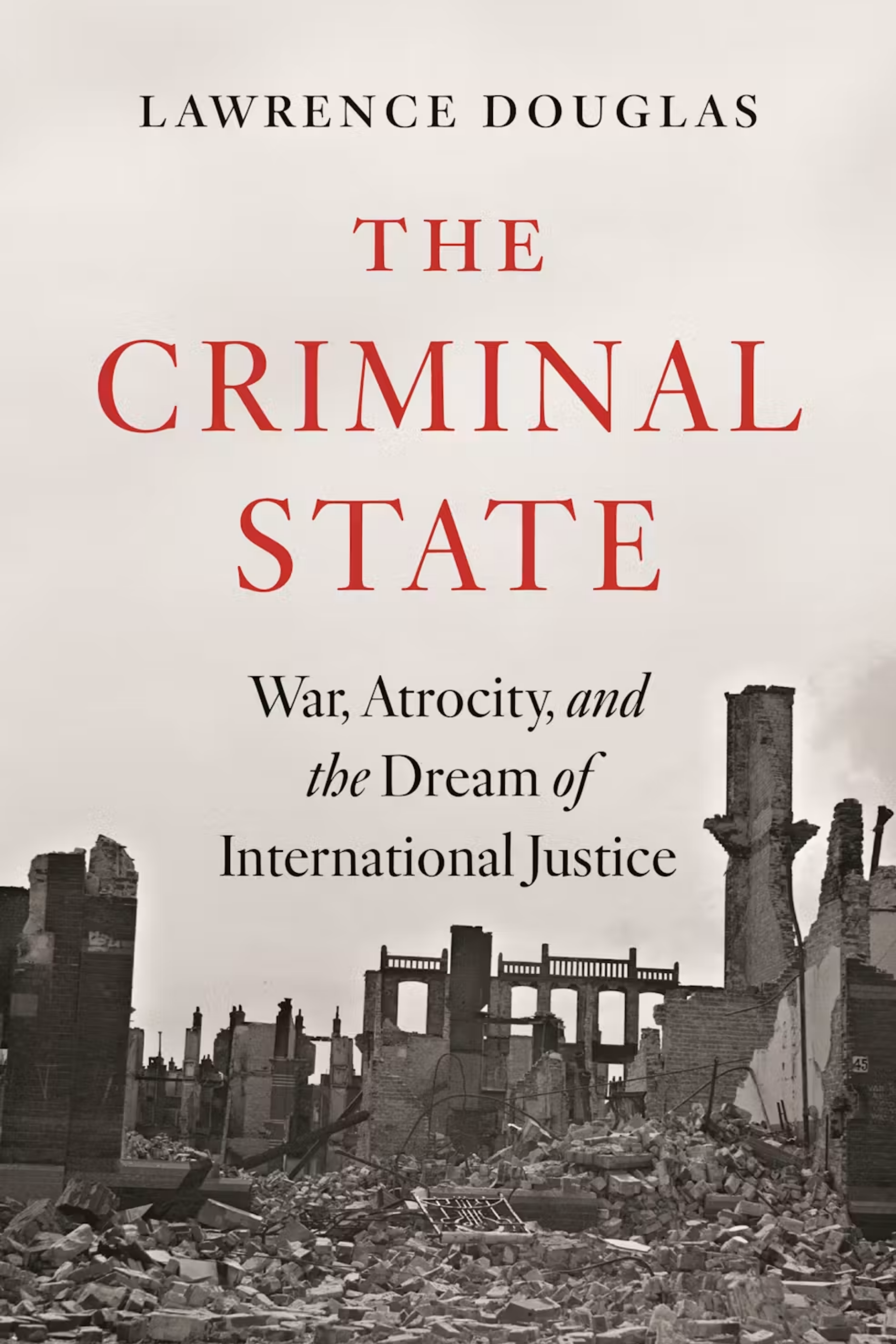
12. The Criminal State: War, Atrocity and the Dream of International Justice — Lawrence Douglas
Princeton University Press, 2026
The anchor of this list and the book that makes it timely in June 2026 specifically. Douglas is Professor of Law, Jurisprudence and Social Thought at Amherst College. His argument is that Nuremberg’s defining achievement was not the prosecution of atrocity crimes but the prosecution of aggression — the decision to wage war — and that everything that has happened in international justice since represents a retreat from that ambition. The ICC has virtually no jurisdiction over the crime of aggression. The court that was supposed to be Nuremberg’s permanent successor cannot prosecute the act that Nuremberg called the supreme international crime. Douglas traces how this happened through the legal history of the postwar period, the Cold War struggle to define aggression and the politics of the Rome Statute negotiations. He writes from what he calls a tragic liberal faith: the belief that the accountability project matters even when — and precisely because — it fails. The DiploPolis interview with Douglas, published earlier this week, covers the Putin and Netanyahu warrants, the Trump administration’s sanctions on the court’s officials and the structural question of whether international justice was ever designed to hold powerful states accountable. Read the interview first. Read this book after everything else on the list. It is the destination the sequence has been building toward. Available from Amazon
Twelve books is not the complete literature. Ben Ferencz, the last living Nuremberg prosecutor, spent his career after the trials arguing for a permanent international criminal court and died in 2023 at the age of 103 having not seen the institution he helped create become what he believed it could be. His memoir, Parting Words: 9 Lessons for a Remarkable Life (2020), is worth reading for the biography of a man who spent eighty years trying to make aggression a prosecutable crime. Gary Solis’s The Law of Armed Conflict is the standard textbook for anyone who wants the full legal framework rather than argued analysis. Michael Ignatieff’s The Warrior’s Honor examines what humanitarian intervention means and what its limits are in a way that connects the legal project to the question of military force that the legal project has always been trying to contain.
The question these twelve books collectively ask is whether the dream of international justice is achievable or whether it is a useful fiction: a set of norms and institutions that change the vocabulary of world politics without being able to enforce it against the powerful. Douglas’s answer, the answer this reading list endorses, is that the question is not yet settled. The institutions are real. The norms have measurable effects. The accountability project has produced real convictions, real precedents and real constraints on what states can do without paying a reputational and sometimes a legal cost. Whether it can do more than that — whether it can, as Jackson promised at Nuremberg, hold even the most powerful states to account for the decision to wage war — remains the open question. These twelve books are the best available equipment for thinking about it.
This reading list also sits within DiploPolis’s ongoing Nuremberg Files, our wider investigation into the promise of universal accountability, what it meant, what it became and what its failure costs the world. Readers who want the analysis pieces these books are in conversation with will find the series here.
This Dossier piece is free to read. Future Dossier pieces will be available to registered DiploPolis members first. Free registration takes 30 seconds. No credit card required.