At a cabinet meeting on Wednesday, a reporter asked Trump whether he would accept a short-term deal allowing Iran and Oman to jointly control the Strait of Hormuz. Trump's answer was eleven words: 'Oman will behave just like everybody else, or we will have to blow them up.' The State Department put the quote on social media within the hour. By Thursday, Treasury Secretary Scott Bessent had followed up with a formal sanctions threat against Oman, warning Washington would 'aggressively target' any actors facilitating Iran's tolling system in the waterway. Bombs first. Sanctions second. For an ally.
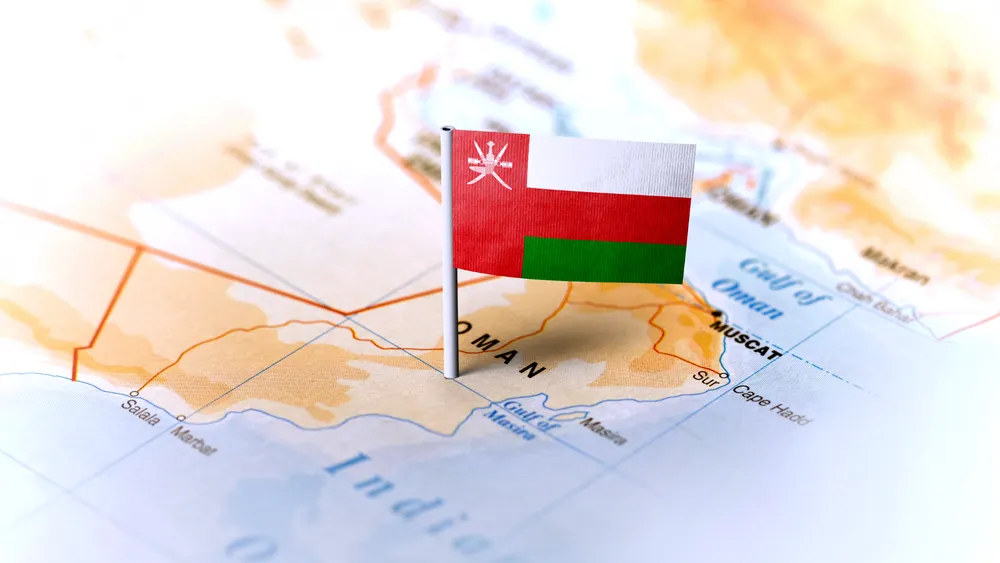
Oman is not a bystander in this war. It is the reason Washington has been able to talk to Tehran at all for the past fifteen years. The back channel that produced the 2015 JCPOA — the most significant arms control agreement of the modern era — began in Muscat, in secret, in 2012, when Iranian officials passed a message through Oman suggesting a meeting with the Obama administration. CIA Director William Burns, then a State Department official, flew to Muscat to begin the talks. The head of Omani intelligence greeted both delegations. A nuclear agreement followed three years later. Obama praised Oman. Trump withdrew from it. Oman stayed at the table anyway.
It stayed at the table in 2023, helping facilitate the release of five Americans wrongfully imprisoned in Iran — a deal Biden thanked Oman personally for helping to broker. It hosted Trump's own pre-war diplomacy with Tehran in February 2026, the last diplomatic contact between Washington and Tehran before the bombs fell on February 28. Oman did not start this war. It tried to prevent it. When that failed, it tried to contain it. Now, because it is exploring whether a joint Oman-Iran arrangement for the Strait might break the deadlock that is costing the Global South $100 billion in energy surcharges, it has been threatened with military force and economic ruin by the country it has served as an intermediary for three decades.
The audacity of it is worth naming. Not the audacity of a powerful country threatening a small one — that is routine. The specific audacity of threatening the one country in the region that has earned both sides' trust, the one capital both Washington and Tehran will take a call from, the one mediator with a track record of actually producing agreements. Muscat is five million people in an arid country slightly larger than Italy. It has no oil wealth to compare with its Gulf neighbours, no military projection, no geopolitical ambition beyond quiet competence. What it has is relationships — carefully built, scrupulously maintained, never weaponised. Until Wednesday, when Washington weaponised them instead.
The Strait of Hormuz runs through both Iranian and Omani territorial waters. Any arrangement for the strait that Iran can accept will require Omani involvement. This is not ideology. It is geography. Washington knows this. The threat to blow up Oman is therefore not a strategic miscalculation. It is a deliberate signal — that the terms of any Hormuz arrangement must be acceptable to Washington first, and Washington is not acting alone. Washington is not acting alone. The condition that Iran have no institutional role in the Strait has Israeli fingerprints on it. Washington has adopted it as its own. The Gulf is paying the price of it. Oman is now being told it will pay that price in bombs and sanctions if it tries to find a way out.
Every US-Iran nuclear agreement in history passed through Muscat. The one being negotiated now — whatever emerges from the language points JD Vance says remain outstanding — will need Oman too. Trump has just told Oman what its cooperation is worth to him. And Oman, small and careful and relentlessly diplomatic, is now deciding what to do with that information.
The mediator has been threatened. The strait remains closed. The war goes on.