The US-Iran ceasefire was announced before terms were agreed, signed before the verification mechanism was designed and celebrated before either side confirmed what it had committed to. This is not how durable agreements are made. It is how pauses are managed before the next round.
The Trump administration’s approach to alliance management has a consistent logic: pay up or we withdraw. NATO members are being billed. Trade partners are being tariffed. The message is transactional and deliberate. What it is not is an alliance. It is a protection racket.
Bulgaria’s President Radev has resisted NATO pressure to close Black Sea ports to alliance logistics. The stand is not pro-Russian — it is a calculation about vulnerability. Sofia sits between two wars and is betting neutrality offers more protection than alliance solidarity.
Ukraine’s war did not end with a peace agreement. It ended with an American pivot. Washington’s absorption in the Iran conflict left Kyiv without the political attention its position requires. Ukraine was not abandoned in a moment of decision — it was quietly deprioritised in a different crisis.
Israel’s diplomatic isolation has reached a point unimaginable five years ago. European partners are suspending agreements. The ICJ has issued binding orders. The ICC prosecutor has sought arrest warrants. The architecture of impunity is intact — but the walls are visibly thinning.
China has renamed 27 places in Arunachal Pradesh. India calls it cartographic aggression. The pattern — rename, claim, assert, repeat — is familiar from the South China Sea. Beijing does not need to fire a shot to advance its territorial position. It just needs to keep renaming.
Pope Leo offered a prayer for peace. Trump announced a ceasefire extension. Israel launched strikes within the hour. The gap between the moral vocabulary being deployed and the military reality has never been wider. The world is governed by people who have learned to speak peace while waging war.
Iran arrived at the Islamabad talks knowing what the United States wanted and knowing it could not give it. The negotiations were not a search for agreement — they were a ritual of managed disagreement between parties too exhausted to fight and too far apart to settle.
The delegations arrived. The table was set. Nobody agreed what was on it. Iran’s ten-point proposal exists in two versions — one in Farsi, one in English — and they say different things. Exhaustion sometimes achieves what reason cannot. But exhaustion without clarity is not diplomacy.
The real obstacle to the ceasefire was never in Tehran. It was in Jerusalem. While Washington and Tehran were negotiating, Israel launched a hundred strikes on Lebanon on the ceasefire’s first day. The question is not whether Trump can reach a deal with Iran. It is whether he can with Netanyahu.
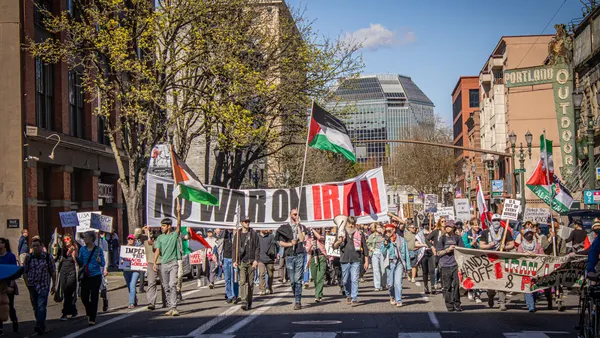
Washington launched the US-Israel war on Iran without consulting a single ally and is now surprised the world will not follow. A superpower without allies is an island with a large military budget. The willingness to look away — once extended — does not return on request.
France criticised and kept its bases open. Germany stayed quiet and offered Ramstein. Spain said what every European government privately believed: we are a sovereign country and will not participate in an illegal war. Consistency, in European foreign policy, is the rarest form of courage.