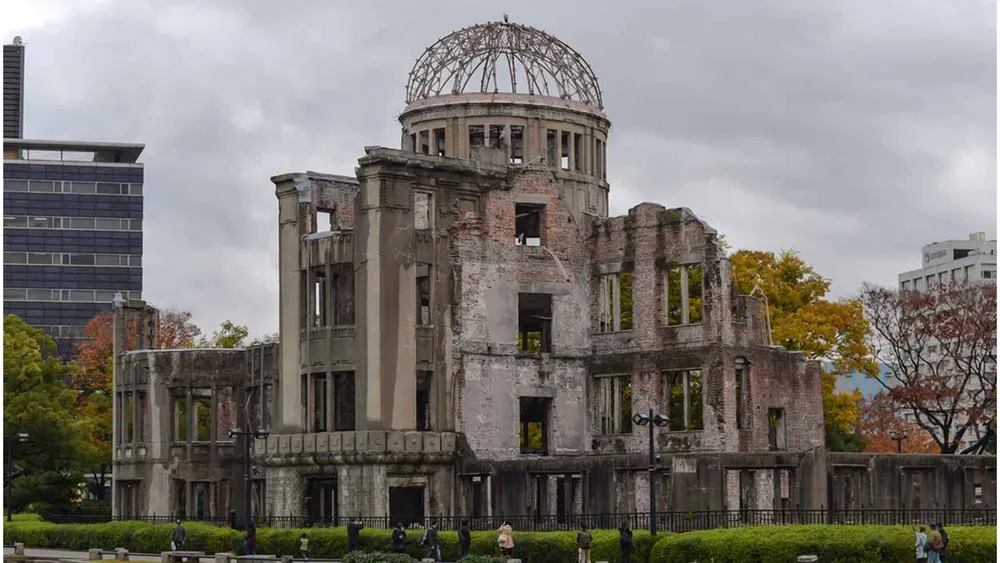
At 8:15 a.m. on August 6, 1945, the Enola Gay dropped an atomic bomb on Hiroshima. Between 70,000 and 80,000 people died instantly. By the end of that year, the death toll had climbed toward 140,000 — from burns, blast injuries and radiation sickness that no medicine could stop. The survivors became known as hibakusha. They bore the costs for the rest of their lives: cancers, birth defects, social stigma and the specific, irreplaceable burden of having witnessed what nuclear weapons do to a city and to the people in it. For 81 years they have been telling the world what happened. The world has drawn certain conclusions from their testimony. It is drawing different ones now.
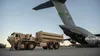
In the week of the 81st anniversary, the United States has depleted nearly 80 per cent of its THAAD missile interceptors — the systems designed to intercept ballistic missiles, including nuclear-tipped ones — in a war launched partly to prevent another country from obtaining nuclear weapons. The war has produced a new Iranian Supreme Leader whom US intelligence assesses as far more inclined to seek nuclear weapons than his father. North Korea has opened a new facility to produce nuclear bomb fuels, publicly, photographed, announced — while South Korea has moved away from denuclearisation as its primary policy objective and the world's intelligence attention is elsewhere. The International Criminal Court — built in the institutional legacy of the very atrocities that Hiroshima's survivors helped make impossible to ignore — is being dismantled to protect a sitting head of government from prosecution.
The atomic bomb was dropped once. The lesson drawn from it was: never again, and build the institutions that make never again possible. The Universal Declaration of Human Rights. The Genocide Convention. The Geneva Conventions. The Nuclear Non-Proliferation Treaty. The Comprehensive Test Ban Treaty. The International Criminal Court. Each was built in the years after 1945 as a collective human decision that the 20th century's worst hours must not repeat themselves. Each represents an attempt to encode in law and institution the testimony of survivors: that war produces things that law must forbid and accountability must reach.
In August 2026, the NPT's Article VI — which obligates nuclear-armed states to pursue disarmament — remains unimplemented after 58 years. The CTBT has not been ratified by the United States, China, India, Pakistan or Israel. The Treaty on the Prohibition of Nuclear Weapons has 69 signatories and no nuclear-armed state among them. The ICC is being disassembled brick by brick. The THAAD interceptors that would defend against the missiles the same states are building are nearly 80 per cent consumed. The war to prevent nuclear proliferation has produced a Supreme Leader more committed to a nuclear programme. Saudi Arabia may receive civilian nuclear technology as the price of a peace deal that ends the war that was launched to prevent nuclear weapons.
The logic of 1945 was: nuclear weapons are categorically different from other weapons. They cannot be limited to military targets. They cannot be recalled once launched. The hibakusha's testimony made this concrete: the Enola Gay dropped one bomb and destroyed a city. The lesson was categorical prohibition and the institutional architecture to enforce it. The architecture is being dismantled in August 2026 with more speed and more deliberateness than it was ever built.
The Flame of Peace has burned continuously at Hiroshima Peace Memorial Park since 1964. This morning the Peace Bell rang at the ceremony near the epicentre of the blast. The moment of silence fell at 8:15. Doves were released. The testimony of survivors — fewer every year and older than the century that produced them — was heard again. The world observed, as it has observed for 81 years, and recommitted to the principles that the bomb made necessary.
By this afternoon, the missiles that would intercept a nuclear weapon will still be nearly 80 per cent depleted. The court that would examine its use will still be three countries lighter than last month. The North Korean facility will still be producing bomb fuel. The lesson drawn from Hiroshima in 1945 is the right lesson. The week of its 81st anniversary is a specific and measurable account of how far the world has moved from learning it.