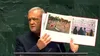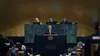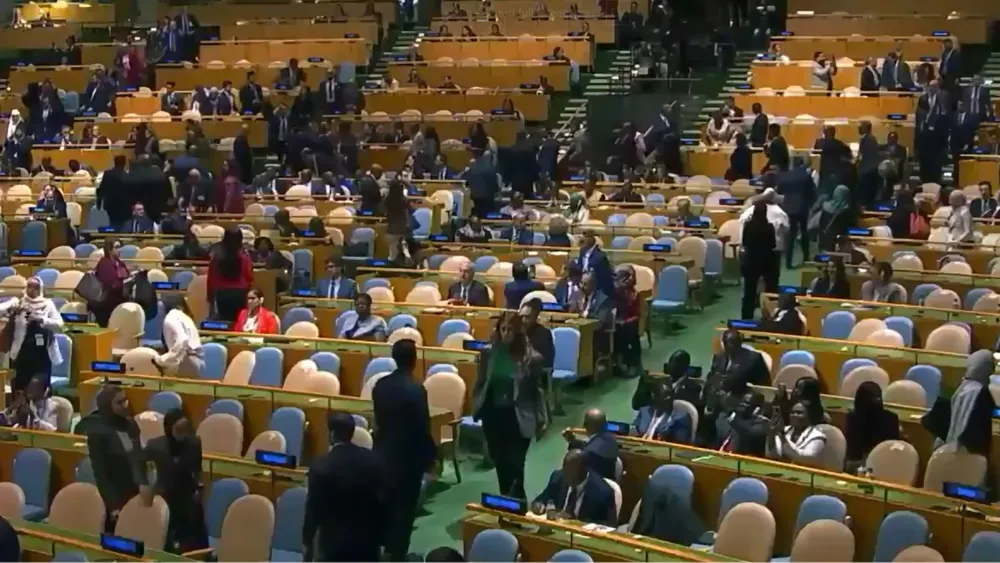
As Benjamin Netanyahu stepped up to the lectern at the United Nations General Assembly on Thursday, more than 100 diplomats rose from their seats and walked out of the hall. Delegations from dozens of countries departed before a word was spoken. Netanyahu responded: 'Before I begin, just a quick announcement: if there are any other moral cowards who haven't yet left this hall, please do so now.' Then he spoke for over an hour. The hall was largely empty. The empty seats were the audience. The day before, Abbas's pre-recorded address had received a long round of applause from the same hall.
Netanyahu addressed his remarks not to the diplomats who remained but to the Israeli public ahead of elections on October 27. The audience he was really trying to reach was closer to home: Israeli voters who want to see him project strength on the international stage, even when — especially when — that stage has emptied its rows in protest. He revisited Hamas's October 2023 attacks on Israel. He called out Qatar, Turkey and New York City Mayor Zohran Mamdani by name. He described Erdoğan as a tyrant. He said the UN had failed. The empty seats confirmed his argument in his own terms: the institution had walked out, which was proof it was worthless.
Mahmoud Abbas addressed the same General Assembly via pre-recorded video, having been denied a visa for the second consecutive year. He said Palestine seeks a democratic, non-militarised state. He appealed to Trump to fulfil commitments made to Arab leaders in 2025. He spoke from a screen to a chamber where he cannot be admitted. The contrast between Abbas's pre-recorded appeal — received with applause — and Netanyahu's live denunciation of the audience was the week's most specific diplomatic image.
On the same Thursday, the US Senate failed to pass a war powers resolution that would have directed Trump to remove US forces from Iran. The vote was 49-50. Only a handful of Republicans voted with Democrats. The resolution would have had no force of law even if passed — it was a statement of congressional intent, not a binding order. Forty-nine senators voted to state that the war should end. Fifty voted against stating it. The war entered its 210th day.
Trump's approval rating has, according to polls released during UNGA week, fallen into the low 30s. Gas nationally is above $4.47 a gallon. The war that was supposed to end in two to three weeks began seven months ago. Xi is at the White House for day two of his state visit. Iran's seven-day framework is waiting for a response. Araghchi said Iran was not in a rush. The US said the same. Netanyahu walked to the podium of an emptying hall and called the departing diplomats moral cowards. He was right that they left. He was wrong about why.