Eighty years ago, Japan was bombed into pacifism. On Tuesday, it voted itself out.
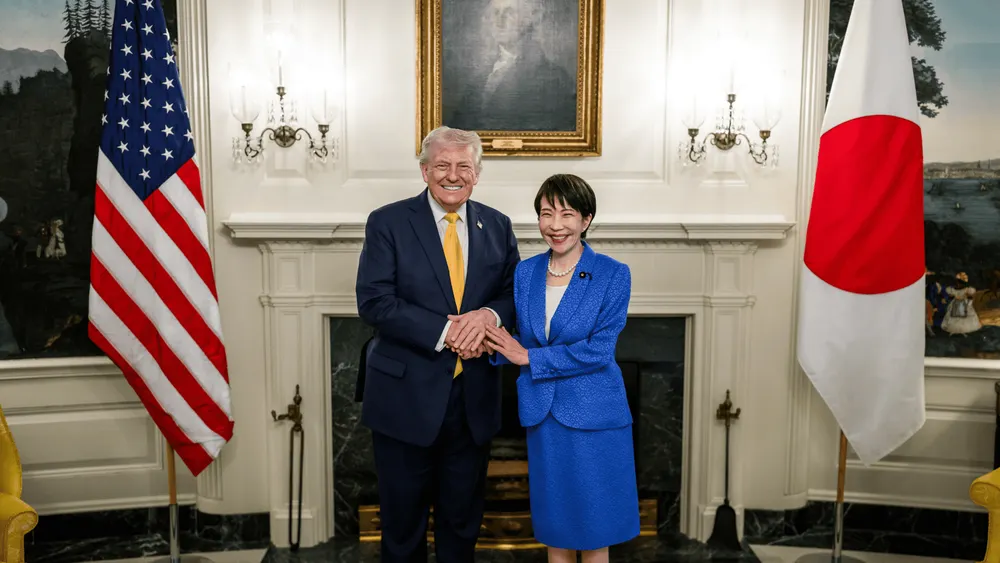
Prime Minister Sanae Takaichi's Cabinet approved the scrapping of Japan's ban on lethal weapons exports, clearing the final legal hurdles for Tokyo to sell fighter jets, missiles and destroyers to the world. The postwar order's most sincere convert has decided it no longer believes.
The timing is not incidental. The US-Israel war on Iran has been raging for nearly two months. The world has watched the most powerful military alliance in history reduce Iranian infrastructure to rubble, seize civilian cargo ships during a ceasefire and threaten to bomb bridges and power plants if talks fail. Washington calls this diplomacy. Tokyo has drawn its own conclusions.
For eight decades, Japan maintained one of the most unusual commitments in the history of international relations. Article 9) of its postwar constitution renounced war as a sovereign right and prohibited the maintenance of war potential. For most of that period, Japan meant it. Arms exports were restricted to five narrow, non-lethal categories: rescue, transport, alert, surveillance and minesweeping. When Tokyo sent anything to conflict zones, it sent flak jackets and gas masks. It sent civilian vehicles to Ukraine, not tanks.
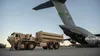
That restraint ends now. The new guidelines approved at Tuesday's Cabinet meeting allow Japan to export warships, combat drones and next-generation fighter jets. Chief Cabinet Secretary Minoru Kihara told reporters the policy would 'ensure safety for Japan and further contribute to the peace and stability in the region and the international society as the security environment around our country rapidly changes.' That sentence deserves to be read carefully. Japan's government is arguing that selling lethal weapons to multiple countries will contribute to peace. This is not a new argument. It is, in fact, the oldest argument the arms industry has ever made.
The commercial logic is already in motion. Australia signed a deal on Saturday for delivery of Mogami-class frigates built by Mitsubishi Heavy Industries, welcoming Tokyo's new policy as a step toward a deeper defence partnership. The Philippines, Indonesia and New Zealand have all expressed interest in Japanese defence equipment. Southeast Asia is shopping. Europe is watching. Japan's defence industry, long a backwater catering only to the Self-Defence Force, is now classified as one of 17 strategic growth sectors under the Takaichi government.
Last week, tens of thousands of Japanese citizens gathered outside the National Diet in Tokyo opposing Prime Minister Takaichi's push for constitutional revision, holding placards reading 'No to war' and calling for the protection of Article 9. The government noted the protest and proceeded anyway. This, too, is a lesson: that democratic governments in a remilitarising world will do what they judge necessary, regardless of what their citizens judge wise.
The argument Tokyo offers is security realism. China is assertive. North Korea is armed. Russia is at war in Europe. The US-Israel war on Iran has reminded every government watching that military capability is the only currency that reliably purchases safety. Japan looked at Tehran's ruins and decided it needed to be on the other side of the transaction.
The tragedy is not that Japan is wrong about the threat. The tragedy is what it chose to learn. The country that survived Hiroshima and Nagasaki, that wrote pacifism into its constitution as an act of civilisational conscience, has concluded that the lesson of 1945 was not the horror of war. It was the horror of losing one.
That is the lesson the Iran war is teaching every government that can afford to buy it. Japan just decided it would rather sell.
Find this piece interesting?
Dispatches by DiploPolis delivers sharp analysis and pointed commentary on power, politics, diplomacy, and world affairs — directly to your inbox.
No neutrality. No noise. Just argument.