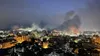
On Sunday August 23, armed men attacked the community of Kenscoff — a once-peaceful neighbourhood nestled in the hills above Port-au-Prince. They killed 47 people. Five of the dead were children. They kidnapped more than 50 others. Twenty-two of the 47 were reportedly executed in a church compound where they had sought shelter. The Kenscoff mayor told the Associated Press that gangs set fire to 25 homes. The gang leader posted a video threatening to kill all hostages if any of his fighters were harmed. 'Paraison, if any of our soldiers are hurt, I will kill all of them,' he said, addressing Vladimir Paraison, director of Haiti's National Police, directly by name.
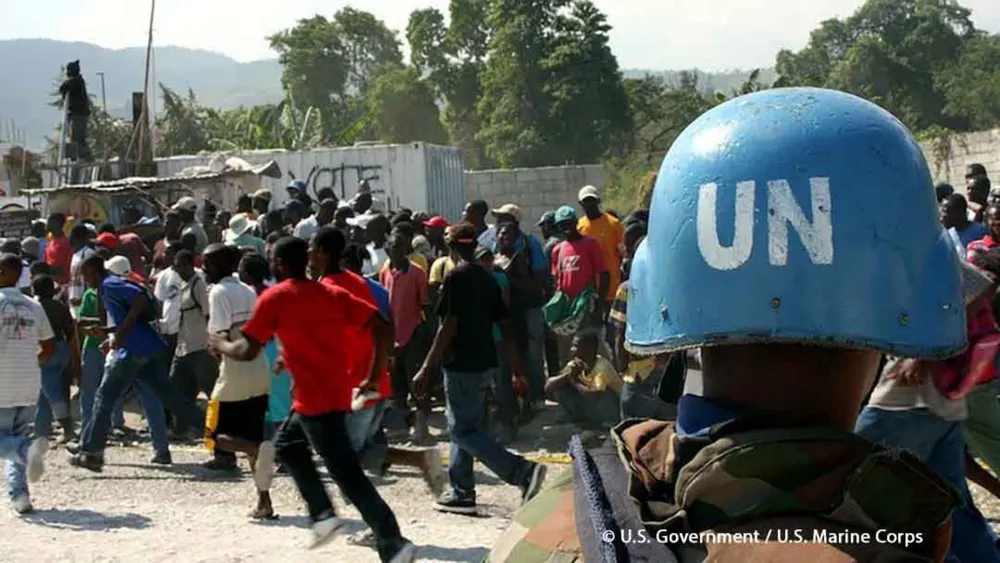
The United Nations confirmed the figures on Tuesday August 25. The UN Secretary-General António Guterres condemned the attack and said the relentless gang attacks on communities underscored the alarming security conditions in the country. Romain Le Cour, head of the Haiti Observatory at the Global Initiative Against Transnational Organized Crime, described it as a major political and security test for the government, the police and the international mission. The attack's scale, he said, was the largest of its kind in recent Haitian history.
Kenscoff was not supposed to be vulnerable. It sits above Port-au-Prince in the mountains, away from the lowland gang territories that have consumed the capital's central districts, the airport and the port. The first major attack on Kenscoff happened in January 2025. Sunday's was the largest yet. Gangs that had previously concentrated on the plains have moved upward, into communities that thought geography was their protection. The mountains are no longer neutral.
DiploPolis wrote about Haiti in June after UN Secretary-General Guterres visited Port-au-Prince and said 'what I saw will not leave me.' He described the biggest disgrace as indifference — the world's refusal to look at what was happening inside Haiti's capital. He said the families he met were not asking for sympathy. They were waiting for action. Since then, the gang federation Viv Ansanm and other armed groups have continued their territorial expansion. The multinational security mission, Kenya-led, remains underfunded. The international community's attention has been elsewhere — on the Strait of Hormuz, on Gaza, on the NATO review.
Marc Paul, 42, told reporters that gangs had kidnapped his brother, stepmother, stepfather and two cousins in the attack. His 16-year-old niece was also kidnapped and raped but managed to escape and reached him. 'My brother is probably going to die,' he said, after watching the gang leader's video. He said it in the same week that the US government was debating how to impose the greatest economic isolation in the history of the world on Iran. Haiti has 12 million people and 47 confirmed dead in a single community attack. Neither number has the leverage of a nuclear programme or a strait.
Guterres condemned the Sunday attack from New York. His words in June were: 'The biggest disgrace is indifference.' His words this week were: 'The relentless gang attacks on communities and the loss of lives underscore the alarming security conditions in Haiti.' Both statements are true. Both describe the same place. The indifference has continued. The gangs have moved higher.