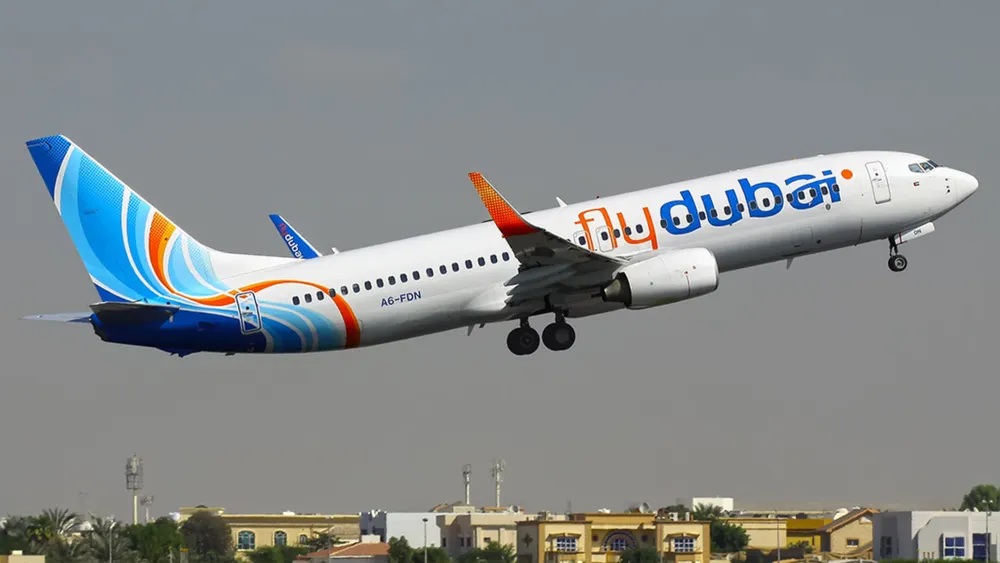
At 7:05am on Wednesday September 30, Flydubai Flight FZ1073 departed Dubai for Tel Aviv. The plane carried 174 people. Most of the passengers were Israeli. The co-pilot was an Omani national named Hamam al-Hammami. About two hours into the flight, al-Hammami prayed. Then he reached for the cockpit's emergency crash axe, a tool kept in every commercial aircraft for cutting through fuselage in an emergency, and attacked the captain.
The captain was Smit Machchhar, an Indian national. Al-Hammami struck him multiple times and attempted to take control of the aircraft. Flight-tracking data shows the plane plunging more than 17,000 feet in approximately two minutes. Machchhar, seriously wounded, was on the cockpit floor. 'When I was down, I could feel that the aircraft was plummeting, and I knew this is the last chance to do something,' he told Indian Prime Minister Narendra Modi from a hospital in Abu Dhabi. He opened the cockpit door from the floor. Passengers and crew members entered and overpowered al-Hammami. Two reserve pilots who happened to be on board took control and landed the plane in Tabuk, in northwestern Saudi Arabia.
The UAE confirmed on Saturday that the incident was a terrorist attack. Al-Hammami attacked Machchhar with the emergency axe and attempted to take over the aircraft. The code 7500, indicating unlawful interference, was transmitted. The plane levelled at 15,000 feet and landed safely. One hundred and seventy-four people.
What makes this particular terror attack worth examining beyond the immediate horror is the paper trail behind the attacker. Al-Hammami is an Omani citizen, born in the UAE to a Syrian mother. He spent seven years at Oman Air. He did not leave voluntarily: according to the Wall Street Journal and AP diplomatic sources, Oman Air had removed him from flying duties because of concerns that he held extremist views. He then joined Royal Air Maroc in June 2025, left in January 2026 and was hired by Flydubai. The UAE is investigating whether he acted alone or was connected to others. What is already established is the chain: flagged by one airline, cleared by two more, allowed to fly a planeload of Israelis to Tel Aviv.
The UAE investigation is examining what Oman Air recorded when it removed him, what it communicated to subsequent employers and regulators, and whether the international aviation vetting system has a structural gap specifically around pilots who move between countries without formal diplomatic relations. Oman and Israel have none. Netanyahu told Fox News the attacker had undergone Islamic radical indoctrination. The UAE has not yet established a formal motive. The motive is under investigation. The crash axe was in the cockpit. It is always in the cockpit.