Jonathan Pollard served 30 years in an American federal prison for selling the United States' most classified secrets to Israel. Israel granted him citizenship, lobbied for his release and sent Netanyahu when he landed. He announced he is running for the Knesset. Nobody in Washington said a word.
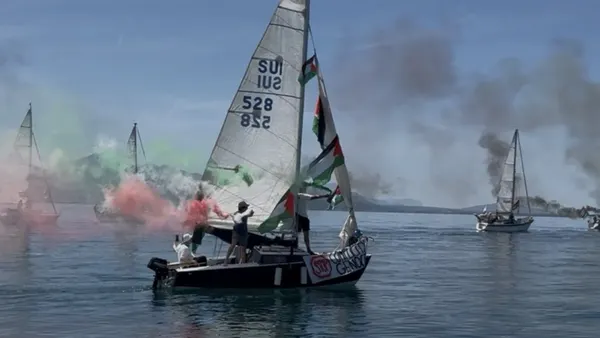
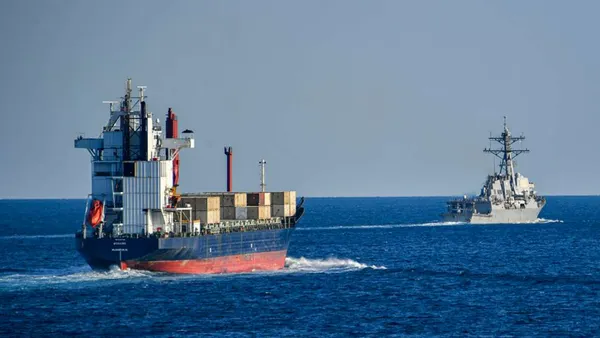
An Israeli naval vessel intercepted a European-flagged aid ship in international waters without legal basis. It was conducted anyway — because Israel has learned that the cost of violating international law in international waters is, for now, the price of a diplomatic protest.
Israel is not annexing the West Bank in a ceremony. It is annexing it in permits, bypass roads, settlement expansion and legal reclassification. The process is deliberate, incremental and designed to be complete before anyone formally objects. The annexation hides in plain sight.
Israel’s diplomatic isolation has reached a point unimaginable five years ago. European partners are suspending agreements. The ICJ has issued binding orders. The ICC prosecutor has sought arrest warrants. The architecture of impunity is intact — but the walls are visibly thinning.
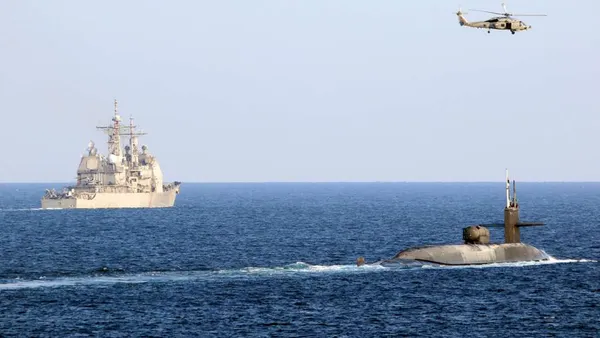
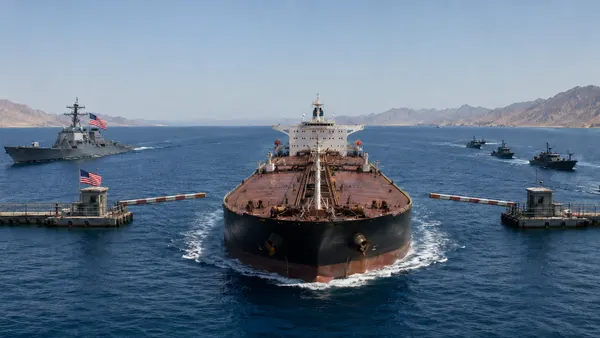
Washington launched the US-Israel war on Iran without consulting a single ally and is now surprised the world will not follow. A superpower without allies is an island with a large military budget. The willingness to look away — once extended — does not return on request.
Itamar Ben-Gvir walked into the Knesset wearing a noose — a symbol with one precedent in Israeli legal history. The death penalty bill he championed targets Palestinians with discriminatory criteria. Democracy is not only elections. It is also equality before the law.
For decades, the United States shielded Israel from binding accountability at the ICJ and the ICC. That shield is cracking — not because Washington has changed its position, but because an increasing number of states are willing to act without it.
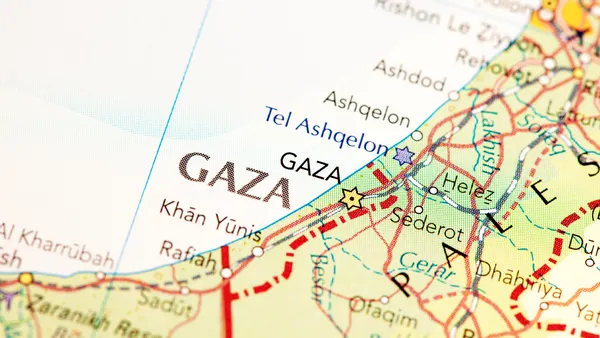
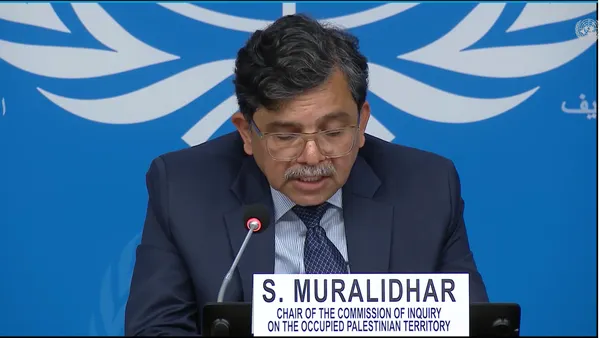
Casualty figures are not just statistics. They are evidence. The scale of civilian death in Gaza and Lebanon, documented by UN agencies and independent monitors, constitutes a legal record that accumulates regardless of how the political argument around it is managed.
The October ceasefire was signed in good faith by nobody. Both sides entered it with reservations, competing interpretations and no agreed enforcement mechanism. Violations began almost immediately. What was called a ceasefire was, from the start, a temporary reduction in killing.
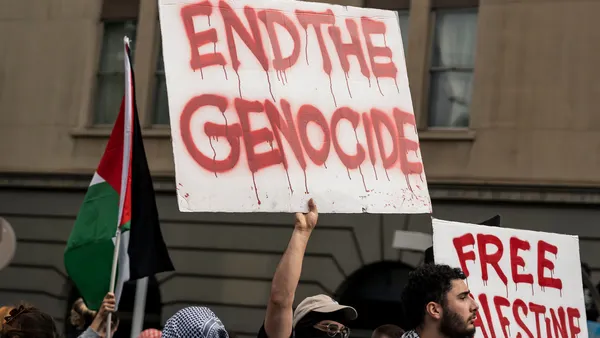
Aid flotillas are not humanitarian operations — they are political acts. They challenge blockades, generate confrontations and force governments to respond. Civil society has learned to use the tools of conflict to expose it. The flotilla model is not going away. It is spreading.
Some have proposed internationally administered governance for Gaza as an alternative to Hamas or Israeli occupation. The idea is serious — and seriously complicated. International administration has a poor track record. But the alternatives being proposed are no more promising.
While diplomats negotiated and envoys shuttled, conditions in Gaza continued to deteriorate. The gap between what was being discussed at the diplomatic level and what was happening on the ground was not a failure of information. It was a failure of will.