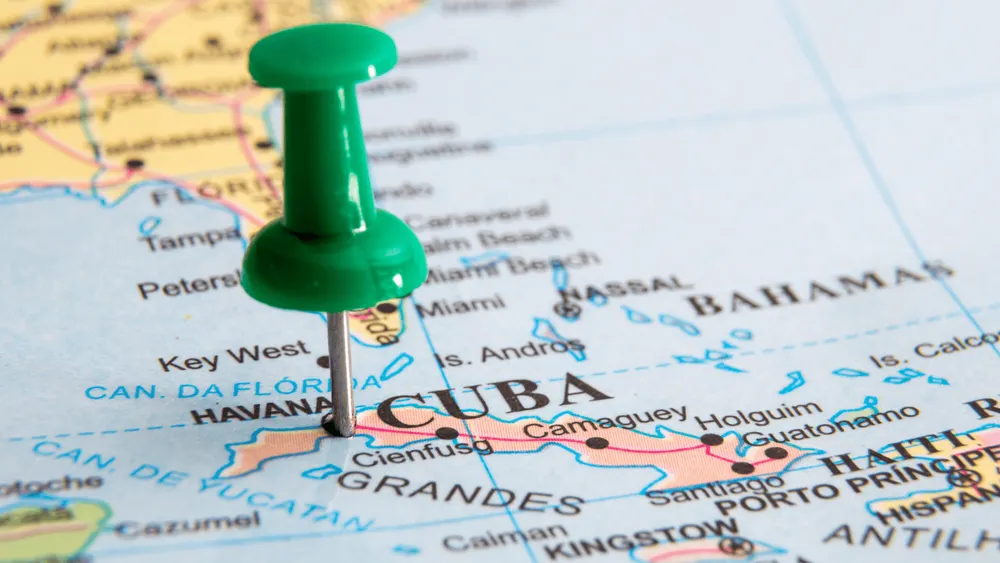
Washington is negotiating in Havana. Washington is also threatening Havana with military action. Both of these things are true at the same time, and neither of them is diplomacy.
The United States sent delegations to Cuba for high-level talks even as Secretary of State Marco Rubio issued a warning that would not be out of place in a gangster film. 'If I lived in Havana, and I was in the government, I'd be concerned, at least a little bit,' he said. This is not the language of a mediator. It is the language of a man who has already demonstrated that he is willing to act, and who wants the other side to remember it.
The demonstration happened on January 3, 2026. US Delta Force troops and CIA operatives struck Caracas in an operation codenamed Absolute Resolve, captured Venezuelan President Nicolás Maduro and his wife, and flew them to New York to face narco-terrorism charges. The operation killed at least 80 people, including 32 Cuban military and intelligence personnel who were stationed in Venezuela protecting Maduro. Cuba declared two days of national mourning. The world largely moved on. Washington called it a law enforcement action.
Cuba has not forgotten. It cannot afford to. The Venezuelan relationship was not merely political; it was the economic oxygen that kept the island alive. For decades, Caracas supplied Havana with subsidised oil in exchange for Cuban medical workers and security personnel. That arrangement is now finished. Cuba is already deep inside a severe economic crisis, with prolonged blackouts, food shortages and a rationing system that can no longer guarantee the basics. The collapse of Venezuela did not just remove an ally. It removed the fuel on which the Cuban state runs.
Into this moment of maximum vulnerability, Washington has sent negotiators. The talks are framed as diplomacy. They are not diplomacy. They are a demand issued by a government that just proved it is willing to destroy a neighbouring administration and extract its leader in handcuffs. The message embedded in the negotiations is not 'let us find common ground.' It is: you saw what happened in Caracas; what comes next is your choice.
Rubio's own logic makes the goal transparent. Analysts close to the administration have described his ambition plainly: use Venezuela's collapse to sever Cuba's oil lifeline, deepen the existing crisis and hope that economic desperation triggers the political unrest sufficient to end sixty years of communist rule. It would be, as one researcher at the University of Havana's Center for Hemispheric and US Studies put it, Rubio's 'coronation.' The negotiations in Havana are not a conversation between parties seeking a resolution. They are a countdown.
The Monroe Doctrine, that 200-year-old declaration that the Western Hemisphere belongs inside the American sphere and that no foreign power has business there, was always a doctrine of domination dressed as a doctrine of protection. The Trump administration has revived it without embarrassment. The seizure of Maduro was its first act in this era. Cuba is its declared next frontier. The logic is imperial and the tools are modern, but the project is the same one that sent US-backed paramilitaries to the Bay of Pigs in 1961 and has kept the island under sanctions for more than six decades since.
What makes the present moment different is that Washington no longer feels the need to pretend. Venezuela removed the ambiguity. The United States is willing to use military force against sitting governments it finds inconvenient, anywhere in the hemisphere, and it is willing to call that action law enforcement. The negotiations in Havana are conducted in the long shadow of that precedent, not independent of it. Every concession Cuba considers, it considers knowing what refusal looked like in Caracas.
This is what coercive diplomacy actually looks like when the coercion is no longer dressed up. One side brings proposals to the table. The other brings the memory of a capital city under fire.
Cuba is not negotiating with a partner. It is negotiating with a gun that has already been fired.
Find this piece interesting?
Dispatches by DiploPolis delivers sharp analysis and pointed commentary on power, politics, diplomacy, and world affairs — directly to your inbox.
No neutrality. No noise. Just argument.