Jonathan Pollard served 30 years in an American federal prison for selling the United States' most classified secrets to Israel. Israel granted him citizenship, lobbied for his release and sent Netanyahu when he landed. He announced he is running for the Knesset. Nobody in Washington said a word.
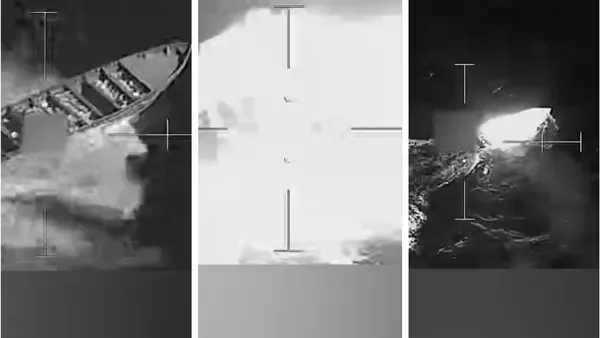
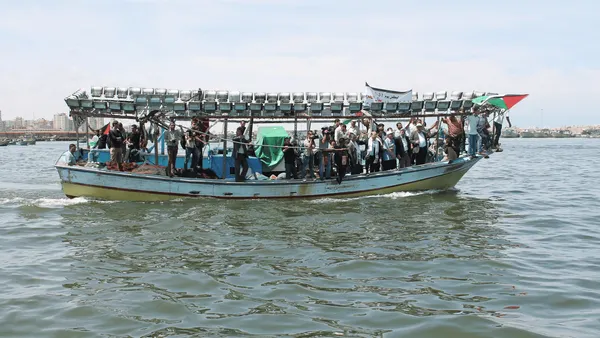
An Israeli naval vessel intercepted a European-flagged aid ship in international waters without legal basis. It was conducted anyway — because Israel has learned that the cost of violating international law in international waters is, for now, the price of a diplomatic protest.
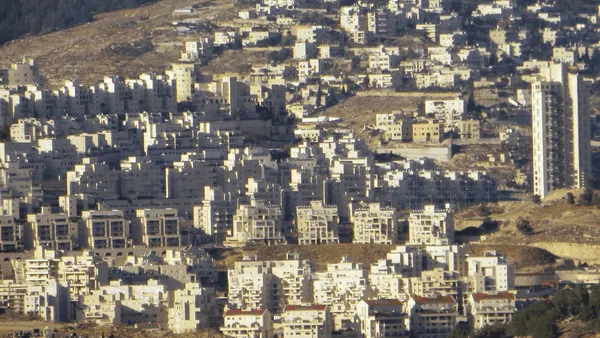
Israel is not annexing the West Bank in a ceremony. It is annexing it in permits, bypass roads, settlement expansion and legal reclassification. The process is deliberate, incremental and designed to be complete before anyone formally objects. The annexation hides in plain sight.
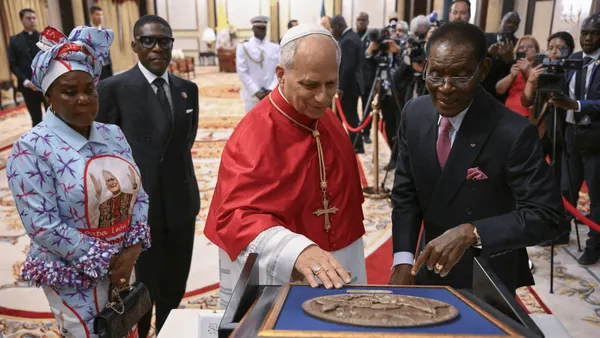
Pope Leo delivered a powerful address condemning resource exploitation in Equatorial Guinea — a country whose president, Teodoro Obiang, has ruled for 46 years and whose family has looted its oil wealth with impunity. The words were right. The room was completely wrong.
Brian McGinnis walked into a Senate Armed Services hearing in full Marine Corps uniform and screamed until Capitol Police broke his arm. A firefighter from North Carolina. His wife is Palestinian. In India he would have been branded anti-national before the press conference ended.
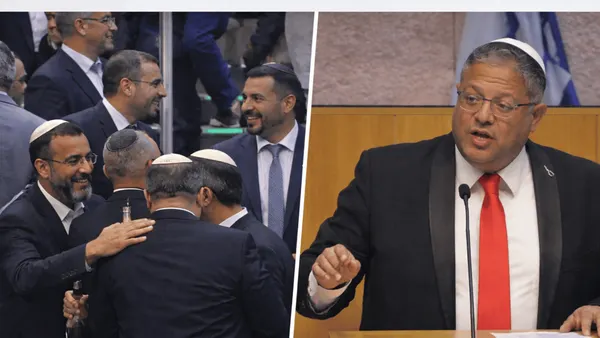
Itamar Ben-Gvir walked into the Knesset wearing a noose — a symbol with one precedent in Israeli legal history. The death penalty bill he championed targets Palestinians with discriminatory criteria. Democracy is not only elections. It is also equality before the law.
India had a democratic tradition worth defending. What has been surrendered — press freedom, judicial independence, minority protections — was not lost in a coup. It was given away incrementally, each compromise justified by the next election. The ground, once lost, is hard to recover.
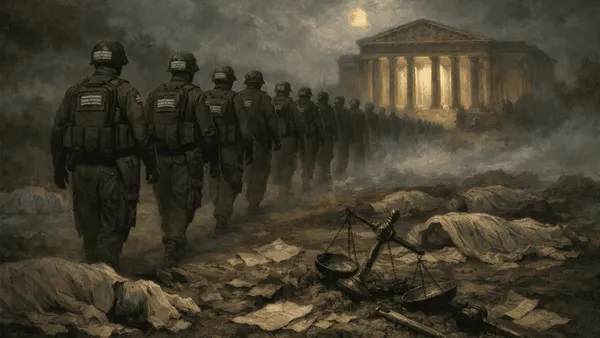
Casualty figures are not just statistics. They are evidence. The scale of civilian death in Gaza and Lebanon, documented by UN agencies and independent monitors, constitutes a legal record that accumulates regardless of how the political argument around it is managed.
Al-Fashir has fallen. The Rapid Support Forces now control most of Darfur. What is emerging in Sudan is not chaos — it is a logic. The country is being divided into spheres of control by armed actors with foreign backers. Partition is rarely declared. It is simply allowed to happen.
Aid flotillas are not humanitarian operations — they are political acts. They challenge blockades, generate confrontations and force governments to respond. Civil society has learned to use the tools of conflict to expose it. The flotilla model is not going away. It is spreading.
The Taliban have governed Afghanistan for years now. The international community's attention has moved on. What remains is a population — particularly women and girls — living under one of the most restrictive governments on earth, mostly out of sight of those who promised to care.
Every administration produces a Gaza plan. Every plan arrives with optimism and departs without implementation. The people who know this best are Palestinians — who have watched the same cycle repeat for thirty years. Celebrations are premature. They always are.