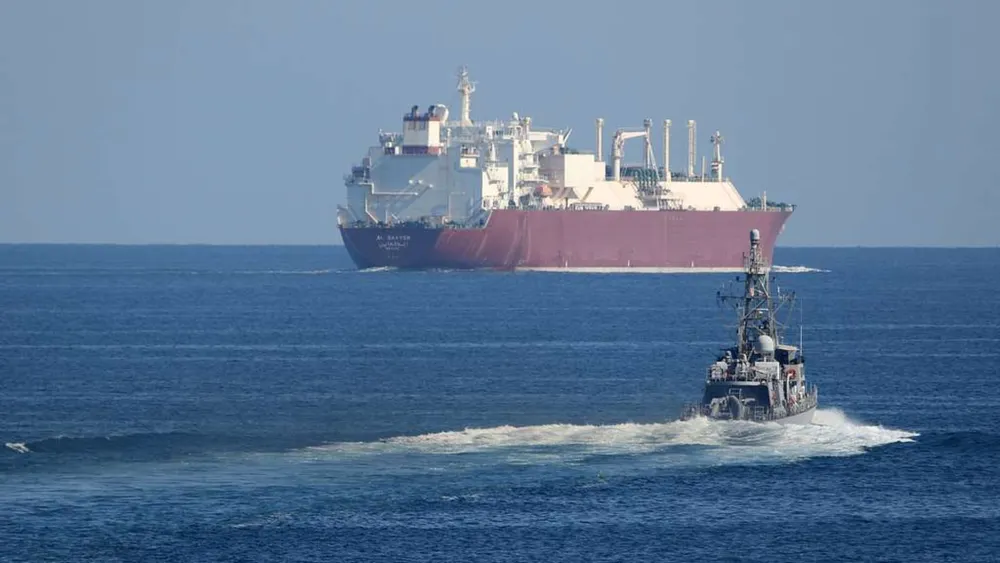
Brad Cooper, commander of US Central Command, announced this week that 400 ships and 100 million barrels of oil had transited the Strait of Hormuz in the past seven days. He said the strait is 'controlled by the US and its regional partners, not Iran,' and attributed what he called Iran's 'desperation' for the ongoing attacks on vessels. On the same Friday, Brent crude reached $110 a barrel for the first time since May. On Saturday, Iran's Revolutionary Guards reported that a supertanker carrying more than two million barrels of crude caught fire after striking a mine on what they described as an 'unauthorised' route. Iranian state media aired footage of the blaze. The oil is flowing and it is, demonstrably, also on fire.
The UK Maritime Trade Operations body counted 12 ships attacked in the seven days ending October 16. Of those 12, about half reached their destinations; one sank; two were disabled; three were damaged or had unconfirmed outcomes. UKMTO noted the true figure was likely higher, because most attacked vessels do not report to it. October 2026 has recorded more attacks since the war began on February 28 than any previous month. Earlier in the week, the container ship GFS Pride was hit, sank while under tow, and is on the floor of the strait. On Saturday, a separate tanker was struck by a rocket-propelled grenade fired from a small boat about 78 nautical miles northeast of Jubail, Saudi Arabia, damaging its aft port quarter.
The competing accounts of what is happening to shipping in Hormuz are now, themselves, a feature of the war. The United States says its blockade of Iranian southern ports has cost Tehran $25 billion in oil export income and that CENTCOM has seized $350 million in Iranian cryptocurrency used to finance its military. It says mines in the strait have been cleared and that attacks on vessels are projectiles from the IRGC, not mines. The IRGC says the strait is unsafe for any vessel not coordinating passage through the Persian Gulf Strait Authority, which Tehran administers. CENTCOM's position is that the footage of Saturday's tanker fire shows what they already described, but with a different explanation for the cause. Both accounts cannot be correct. Neither side is offering independent verification.
The deeper number in the week's reporting is from Kpler: oil flows through Hormuz averaged 11.6 million barrels a day over the seven days to October 13, about 68 per cent of the 17.1 million barrels that moved through daily before the war. Iran's acting Defence Minister Majid Ibn Reza said this week that Iranian missiles, not US bombs, would decide the war's outcome, warning that American bombs would 'explode elsewhere,' damaging US credibility, its economy and its electoral calculations. He is making a specific argument about what controls the strait. The oil is moving. It is moving at 68 per cent of its pre-war rate. Twelve ships were attacked last week. Cooper calls that evidence of US control. Iran's Defence Minister calls it proof of something else.