
Section archive
Accountability
All desks
: Analysis
1971
9/11
A. Wess Mitchell
Abbas Araghchi
Abhijeet Dipke
Abolition
Abraham Accords
ACCORD
Accountability
Adel Nassar
Afghanistan
Africa
Aga Khan Foundation
Aggression
AI
AI Governance
AIPAC
air defence
Al Udeid
Alliance
Allison Carnegie
Amarna Letters
American University
Americas
Amir-Ali Karimi
Amir-Mohammad Karimi
Amitav Acharya
Ammonium Nitrate
Amnesty International
Amos Azaria
Analysis
Ancient History
Anderson Salcedo Lozano
Angelo Mejia Melendez
Ankara
António Guterres
Aoun
AP
Application Guide
AQ Khan
Arab leaders
Arabian Sea
Arabic
Araghchi
Aramco
Armenia
Armenian Genocide
Armin Krishnan
Arrest Warrant


The Ledger
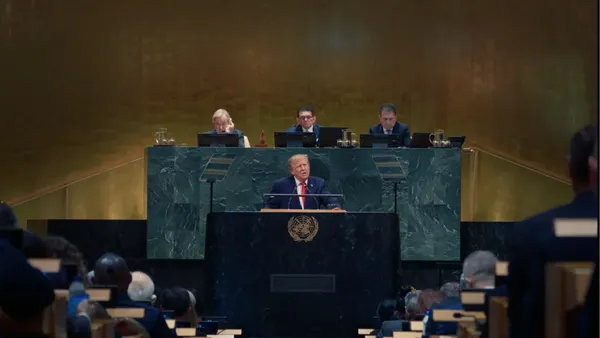
Abbas Was Denied. Pezeshkian Was Allowed In.

The Ledger
China. Tehran. Washington. Same Week.

The Ledger
Reasonable Grounds

Analysis
Phase One Is Done
The Ledger
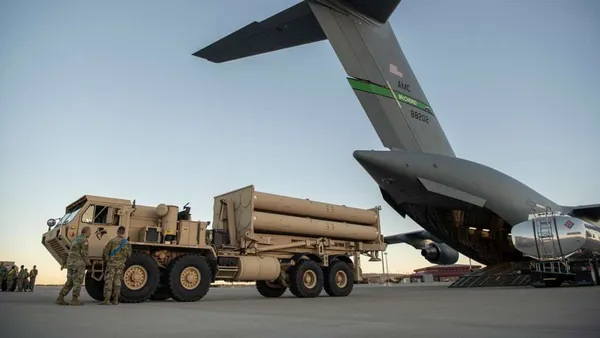
The Watchdog Confirmed It

The Ledger
243 People. The Ferry Left Surabaya.

Analysis
Amir-Mohammad Was Four

The Ledger
Iran Asked the ICC. The ICC Is Being Dismantled.

The Ledger
The Wedding Was in Sirik

The Ledger
"THE BIGGEST OIL DEAL IN WORLD HISTORY." The Country the US Captured.
Analysis
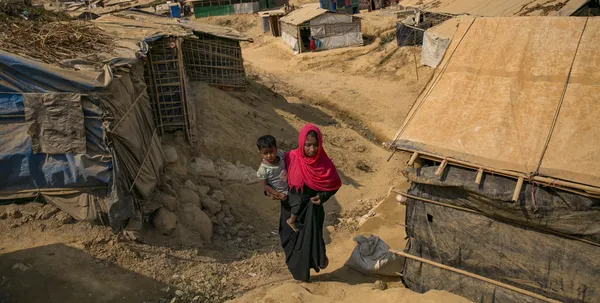
Forget About Going Back

The Ledger
The Alliance the War Built
Analysis
The State That Could
The Ledger
'I Think We Will Keep It'
The Ledger
Not in Gaza. Not in the West Bank.
63 stories