Trump flew to Beijing and left weighing whether to lift sanctions on Chinese companies buying Iranian oil. The country being bombed will fund the relationship being repaired. The Global South paid the price of the war. It will pay the price of the peace.
Xi asked Trump if they could avoid the Thucydides Trap — the theory that a rising power and an established one are destined for conflict. Trump said China was beautiful. That is not an answer to Xi's question. It is confirmation the question was not understood.
The Iran war did not arrive without a library. Every development since February 28 — the collapsing ceasefire, the Security Council vetoes, the Global South paying costs it did not vote for — was anticipated by books written long before the first strike.
As Trump's plane touched down in Beijing, Chinese social media was circulating his nickname: Chuan Jianguo — the Country Builder. The implication is sardonic and precise. His policies built China's power more than America's. Now he has come to ask for a favour.
Trump flies to Beijing on Thursday carrying a war he cannot finish and a strait he cannot reopen. He is going to ask Xi Jinping for help. Beijing did not need to do anything to earn this moment. Washington created it by starting a war it cannot end without China's assistance.
Bessent called China a funder of terrorism for buying Iranian oil. Then asked China to use those ties to reopen the Strait of Hormuz. In the same interview. Washington built this crisis on the premise that China's relationship with Iran was the problem. Now it needs that relationship to survive.
Pope Leo called for peace. Trump announced a deal. Strikes on Iranian civilian infrastructure continued through the night. There is a moment in every prolonged conflict when the moral vocabulary of the powerful becomes entirely decorative — when prayers are offered and bombs are dropped together.
Trump invoked the War Powers Act to declare the Iran conflict terminated. The strikes have stopped — for now. The naval blockade continues. The sanctions remain. The nuclear question is unresolved. The war has been declared over. The conditions that produced it have not changed.
Iran built its oil infrastructure as an economic asset. The United States turned it into a vulnerability. With tanker traffic through Hormuz restricted and storage sites targeted, the weapon has turned around. Iran’s leverage over global energy markets has become a liability it cannot easily defend.
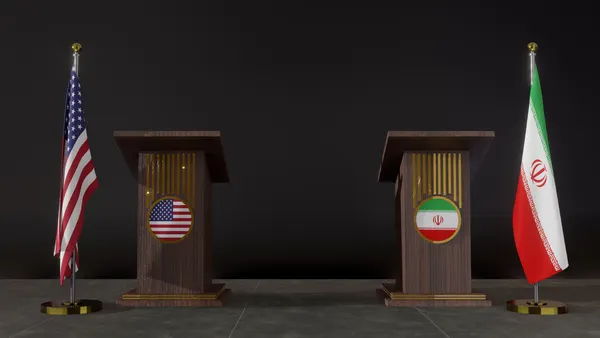
The US-Iran ceasefire was announced before terms were agreed, signed before the verification mechanism was designed and celebrated before either side confirmed what it had committed to. This is not how durable agreements are made. It is how pauses are managed before the next round.
The US-Iran ceasefire holds ‘until such time as’ a permanent agreement is reached. No timeline. No mechanism. No definition of what constitutes permanent. The clause renders the agreement structurally impermanent from the moment of signing. It is a war designed not to end.
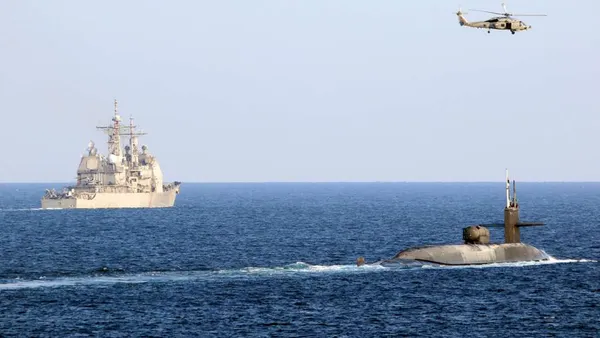
The US naval blockade of Iranian oil exports did not end with the ceasefire announcement. It continued under different legal framing as a mechanism of pressure. Washington called it enforcement. Tehran called it a continuation of war by other means. Tehran was closer to the truth.