
When India’s External Affairs Minister S. Jaishankar declared at the Munich Security Conference that “Europe has to grow out of the mindset that Europe’s problems are the world’s problems,” he articulated a sentiment reverberating across continents. This assertion of strategic autonomy reflects a broader transformation: the Global South is no longer content to remain on the periphery of international decision-making. From Brazil’s leadership in climate negotiations to South Africa’s pivotal role in BRICS expansion, from Nigeria’s growing influence in African peacekeeping to Indonesia’s emergence as a middle power broker, developing nations are fundamentally altering global power dynamics.
The numbers tell the story of this shift. The Global South now accounts for over 40% of global GDP when measured by purchasing power parity, up from 24% in 1990. China and India alone represent nearly 30% of world economic output, while the combined GDP of BRICS nations exceeded that of the G7 for the first time in 2023. Yet this economic rise translates into something more profound: a growing assertion of political agency that challenges Western-dominated international institutions and creates new coalitions that transcend traditional North-South divisions.
This transformation represents more than statistical rebalancing—it signals a fundamental restructuring of how global governance operates, from trade and climate policy to security cooperation and technological standards.
Historical Context: From Decolonization to Multipolarity
The concept of the Global South emerged from the Non-Aligned Movement of the 1950s and 1960s, when newly independent nations sought to chart courses independent of Cold War superpowers. The 1955 Bandung Conference, bringing together 29 African and Asian nations, established principles of sovereignty, non-interference, and South-South cooperation that continue to influence contemporary Global South politics.
However, the economic realities of the post-colonial era often constrained political aspirations. Structural adjustment programs imposed by the World Bank and International Monetary Fund in the 1980s and 1990s reinforced dependency relationships, while debt crises limited policy autonomy. The Washington Consensus promoted market-oriented reforms that frequently prioritized Northern economic interests over Southern development needs.
The 21st century marked a turning point. Rising commodity prices, technological advancement, and successful economic reforms enabled many Global South nations to reduce poverty, build infrastructure, and accumulate foreign exchange reserves. China’s rise as both a Global South leader and major development financier created new opportunities for South-South cooperation, while the 2008 financial crisis highlighted the limitations of Western-led economic models.
Today’s Global South operates in a fundamentally different context than previous generations. Digital connectivity enables direct South-South knowledge sharing, while sovereign wealth funds and development banks provide alternative financing sources to traditional Northern institutions. This combination of economic capacity and technological capability has translated into unprecedented political assertiveness.
Four Pillars of Global South Agency
Economic Sovereignty and Alternative Institutions
The most visible manifestation of Global South rising influence lies in the creation of alternative economic institutions that challenge Western financial hegemony. The Asian Infrastructure Investment Bank (AIIB), established in 2016 with 57 founding members including major European allies of the United States, has approved over $37 billion in financing for infrastructure projects across Asia, Africa, and Latin America.
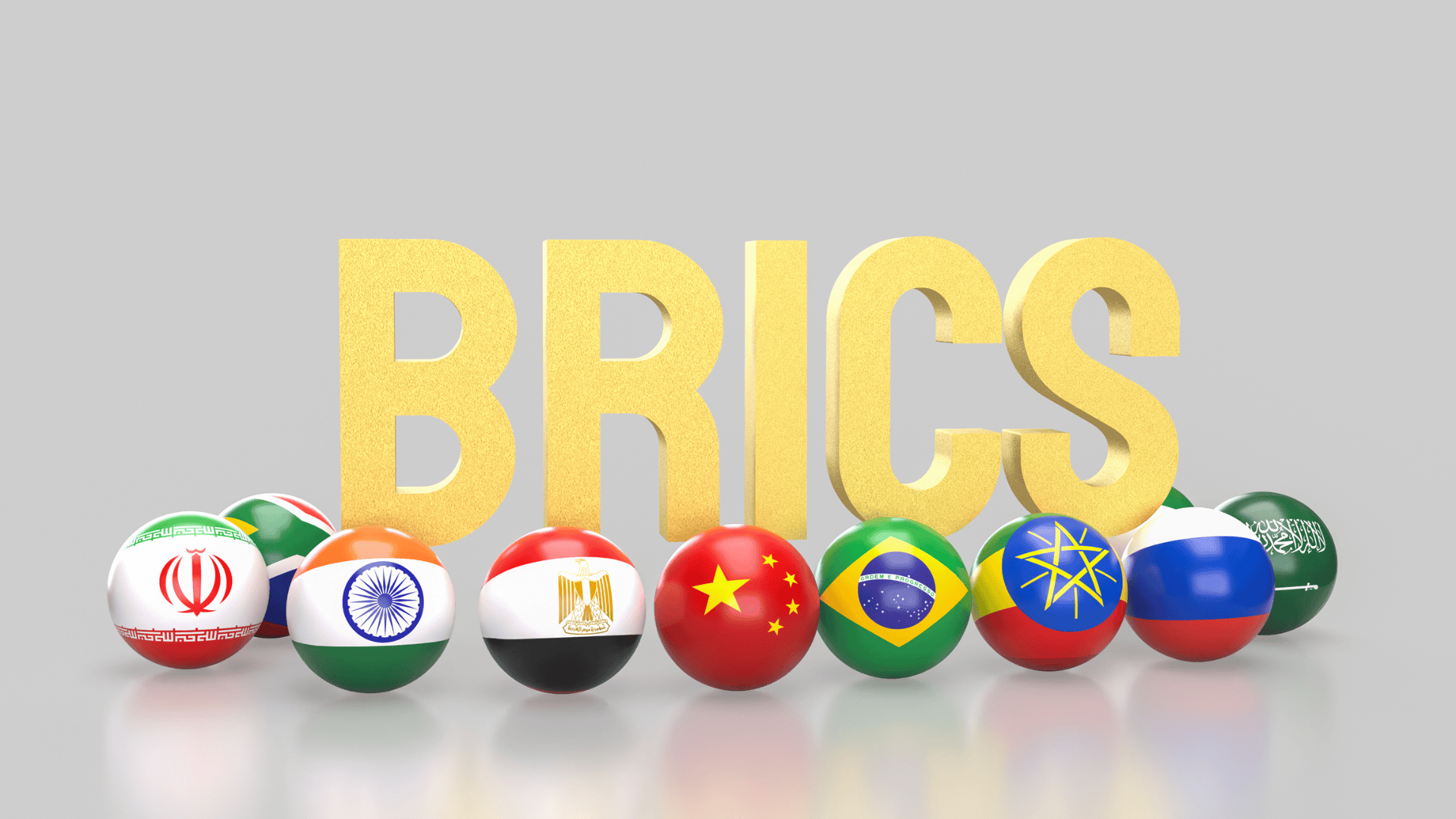
BRICS institutions represent even more ambitious attempts at financial architecture reform. The New Development Bank has committed over $33 billion to sustainable development projects, while the BRICS Contingent Reserve Arrangement provides $100 billion in emergency financing as an alternative to IMF conditionality. The 2023 BRICS expansion to include Argentina, Egypt, Ethiopia, Iran, Saudi Arabia, and UAE signals growing appetite for alternatives to Western-dominated institutions.
Regional development banks are proliferating across the Global South. The African Development Bank’s lending reached $6.4 billion in 2023, while the Development Bank of Latin America has become a major infrastructure financier. These institutions operate with different governance structures, lending criteria, and conditionality requirements than traditional Bretton Woods institutions, reflecting Global South priorities and development models.
Currency diversification initiatives further demonstrate economic assertion. China and Russia conduct increasing bilateral trade in their national currencies, while the Reserve Bank of India has established rupee trade mechanisms with over 18 countries. Saudi Arabia’s openness to pricing oil in currencies other than the dollar reflects broader Global South interest in reducing dollar dependence.
Climate Leadership and Environmental Justice
Climate policy has emerged as a crucial arena for Global South agency, particularly following the recognition that developing nations face disproportionate climate impacts despite contributing least to historical emissions. The Alliance of Small Island States (AOSIS) and the Climate Vulnerable Forum have effectively advocated for ambitious temperature targets and loss-and-damage mechanisms in international negotiations.
The COP28 presidency of the United Arab Emirates, a Global South nation, resulted in the first global agreement to transition away from fossil fuels. This achievement reflected sophisticated coalition-building that bridged traditional divides between oil producers and climate-vulnerable nations. Similarly, the V20 group of climate-vulnerable finance ministers has advocated successfully for climate finance mechanisms that address adaptation and resilience needs.
Brazil’s leadership in forest conservation demonstrates how Global South nations leverage environmental assets for global influence. The Amazon Fund, supported by international donors, provides Brazil with significant diplomatic leverage while positioning the country as essential to global climate stability. President Lula’s return to power in 2023 immediately elevated Brazil’s climate diplomacy profile, demonstrating how domestic political changes in Global South nations can have global implications.
African nations are pioneering renewable energy transitions that leapfrog traditional development models. Morocco’s Noor Ouarzazate solar complex, one of the world’s largest concentrated solar power facilities, provides clean energy while establishing Morocco as a renewable energy hub for Europe and Africa. These initiatives demonstrate Global South capacity for technological leadership rather than merely technology adoption.
Digital Sovereignty and Technological Independence
The digital revolution has created new opportunities for Global South agency while also generating new dependencies. India’s development of the Unified Payments Interface (UPI), processing over 100 billion transactions worth $1.8 trillion in 2023, demonstrates how Global South nations can create indigenous digital platforms that reduce reliance on Western technology companies.
Africa’s mobile money revolution, led by Kenya’s M-Pesa and adopted across the continent, shows how Global South innovations can leapfrog traditional financial infrastructure. With over 548 million registered mobile money accounts across sub-Saharan Africa, the continent leads global digital payment adoption despite limited traditional banking infrastructure.
However, digital dependencies remain significant challenges. The Global South consumes vast quantities of digital services from Northern companies while contributing relatively little to global digital governance. Chinese technology companies like Huawei and TikTok provide alternatives to Western platforms, but create new dependency relationships rather than genuine technological independence.
Data sovereignty has become a crucial Global South concern. Nigeria’s Data Protection Regulation and Brazil’s General Data Protection Law reflect efforts to assert control over data governance, while the African Union’s Digital Transformation Strategy aims to create continental digital infrastructure. These initiatives demonstrate growing recognition that digital autonomy requires both technological capacity and regulatory frameworks.
Security Cooperation and Conflict Resolution
Global South nations are increasingly asserting agency in security matters, challenging Northern dominance in peacekeeping and conflict resolution. African Union peacekeeping missions in Somalia, Mali, and the Central African Republic demonstrate continental capacity for security provision, even as they rely on international financial support.
The African Union’s “Silencing the Guns” initiative aims to end all wars on the continent by 2030, representing an ambitious assertion of African agency in conflict prevention and resolution. Similarly, ECOWAS interventions in West African political crises, despite mixed results, demonstrate regional organizations’ growing willingness to act independently of global powers.
Latin American initiatives like the Contadora Group and the Rio Group (now CELAC) have historically provided regional alternatives to U.S.-dominated security frameworks. Brazil’s leadership in MINUSTAH, the UN peacekeeping mission in Haiti, demonstrated South American capacity for international security provision beyond the Western Hemisphere.
Middle Eastern nations are increasingly pursuing independent foreign policies that transcend traditional alliance structures. The UAE’s balanced approach between the United States and China, Saudi Arabia’s diversification away from exclusive U.S. partnership, and Turkey’s multi-vector foreign policy reflect growing confidence in pursuing autonomous strategies rather than bandwagoning with great powers.
Global South Leadership
India’s Strategic Autonomy
India’s approach to the Russia-Ukraine conflict exemplifies Global South strategic autonomy. Despite Western pressure, India has maintained trade relationships with Russia, including increased oil imports that reached 1.6 million barrels per day by 2023. This policy reflects historical Non-Aligned Movement principles while serving contemporary economic interests.
India’s G20 presidency in 2023 demonstrated sophisticated diplomatic leadership, successfully building consensus on issues from digital public infrastructure to sustainable development goals. The New Delhi G20 Leaders’ Declaration’s focus on Global South priorities, including climate finance and food security, reflected India’s ability to shape international agendas rather than merely respond to Northern initiatives.
The country’s digital public infrastructure, including the India Stack of digital identity, payments, and data exchange systems, is being exported to other Global South nations through technical cooperation programs. This represents a shift from India as a recipient of Northern technical assistance to a provider of indigenous technological solutions.
African Continental Integration
The African Continental Free Trade Area (AfCFTA), launched in 2021, represents the world’s largest free trade agreement by participating countries, covering 1.3 billion people and $3.4 trillion in combined GDP. The agreement reflects African agency in economic integration, pursuing intra-African trade growth rather than continued dependence on Northern markets.
African nations are asserting greater agency in natural resource governance. The African Mining Vision promotes value addition and beneficiation of mineral resources on the continent rather than raw material export to Northern processing facilities. Countries like Botswana and the Democratic Republic of Congo are increasingly demanding equity participation in mining operations and technology transfer agreements.
The African Union’s Agenda 2063 represents perhaps the most ambitious development vision articulated by any regional organization, aiming to transform Africa into a global powerhouse through industrialization, integration, and technological advancement. While implementation faces significant challenges, the vision reflects continental confidence in African agency and capacity.
Implications for Global Governance
These developments signal a fundamental shift from a Western-dominated international order toward a more multipolar system where Global South voices carry increasing weight. Traditional institutions like the UN Security Council, World Bank, and IMF face growing pressure to reform governance structures that reflect 20th-century power distributions rather than contemporary realities.
The emergence of competing governance models presents both opportunities and challenges for international cooperation. Multiple development financing options can increase policy space for developing nations while creating pressure for improved performance among competing institutions. However, institutional fragmentation may complicate coordination on global challenges requiring universal participation, such as climate change and pandemic preparedness.
The Global South’s growing agency also creates new forms of South-South competition and tension. China’s Belt and Road Initiative generates both opportunities and concerns among recipient nations, while India’s rivalry with China complicates Asian regional integration. Brazilian and Nigerian competition for African influence reflects how Global South rise creates new geopolitical dynamics rather than simple North-South replacement.
Regional organizations are gaining prominence as mechanisms for Global South agency, potentially creating a more decentralized international system. The African Union, ASEAN, CELAC, and other regional bodies increasingly serve as platforms for collective action and alternative governance models, though their effectiveness varies significantly across regions and issue areas.
Challenges and Limitations
Despite significant progress, Global South agency faces substantial constraints. Economic dependencies persist through debt relationships, technology gaps, and continued reliance on Northern markets for high-value exports. Many Global South nations remain vulnerable to external economic shocks, as demonstrated by the impact of COVID-19 and the Russia-Ukraine conflict on developing economies.
Internal governance challenges limit many Global South nations’ ability to project influence effectively. Corruption, weak institutions, and political instability constrain development outcomes and international credibility. The gap between diplomatic ambitions and domestic capacity remains significant for many countries seeking enhanced international roles.
Technological dependencies create new forms of subordination even as Global South nations assert political agency. Reliance on Northern intellectual property, manufacturing capacity, and digital platforms limits genuine technological sovereignty. The global semiconductor shortage highlighted these vulnerabilities while demonstrating the concentration of critical technologies in relatively few Northern and East Asian suppliers.
Climate change poses existential challenges for many Global South nations, particularly small island developing states and least developed countries. While climate policy provides opportunities for international influence, the urgency of adaptation needs may constrain longer-term development strategies and policy autonomy.
The Path Forward
The Global South’s rise represents neither a complete displacement of Northern influence nor a return to Cold War-era bloc politics. Instead, it signals the emergence of a more complex, multipolar international system where agency is more widely distributed and governance mechanisms more diverse.
Success for Global South nations will require balancing assertiveness with pragmatism, pursuing strategic autonomy while maintaining beneficial relationships with traditional partners. The challenge lies in translating economic growth and demographic advantages into sustainable influence that serves both national development goals and global stability.
For the international community, accommodating Global South agency requires institutional reform, recognition of diverse development models, and genuine partnership rather than continued paternalism. The alternative—attempting to maintain outdated power structures—risks fragmentation and conflict that serves no one’s interests.
The Global South’s rising influence offers opportunities for more inclusive, representative, and effective global governance. Whether this potential is realized depends on the wisdom of leaders both North and South in navigating the complex transition from a Western-dominated order to something genuinely multipolar and inclusive.