
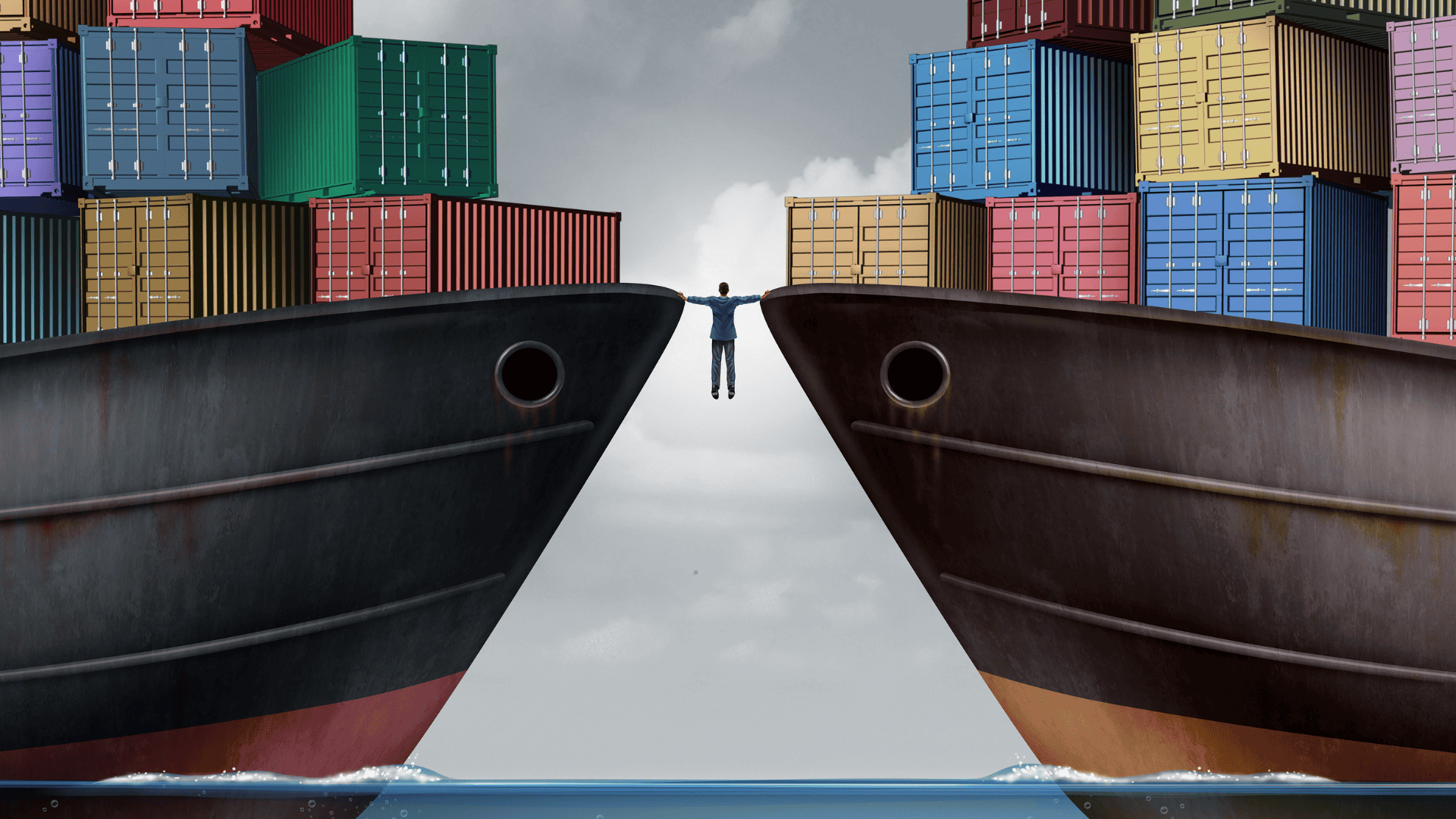
In September 2022, BASF, Europe’s largest chemical company, announced it would permanently downsize operations in Germany and shift production to China. The decision wasn’t driven by market forces or corporate strategy—it was a direct response to soaring energy costs after Russia cut natural gas supplies to Europe. What had once been a routine commercial relationship between supplier and customer had transformed into a geopolitical weapon capable of reshaping entire industries and forcing multinational corporations to relocate across continents.
This episode illustrates the defining feature of 21st-century international competition: the weaponization of economic interdependence. From China’s rare earth export restrictions to American semiconductor sanctions, from Russian energy cutoffs to European investment screening mechanisms, states increasingly deploy economic tools to achieve political objectives traditionally pursued through military means. The era of economic statecraft has arrived, fundamentally altering how power operates in international relations.
Economic weapons offer compelling advantages over traditional military force, particularly among nuclear-armed powers where direct conflict risks catastrophic escalation. They provide plausible deniability, operate below thresholds that might trigger military responses, and leverage the complex interdependencies created by globalization. Yet they also generate unexpected consequences, from supply chain fragmentation to the acceleration of technological decoupling between major powers. Understanding how economic statecraft works—its tools, effectiveness, and limitations—has become essential for navigating contemporary geopolitics.
Evolution from Military to Economic Competition
The shift toward economic statecraft reflects both the constraints of nuclear deterrence and the opportunities created by global economic integration. During the Cold War, ideological competition limited economic interdependence between rival blocs. Today’s multipolar world features extensive trade and investment relationships that create both vulnerabilities and leverage opportunities for strategic competitors.
Nuclear weapons fundamentally altered the logic of great power competition by making direct military confrontation potentially suicidal. The Cuban Missile Crisis demonstrated how quickly conventional conflicts could escalate to existential threats. Subsequent crises reinforced the lesson that nuclear powers must find alternative means of pursuing strategic objectives without triggering military escalation.
Simultaneously, economic globalization created unprecedented interdependencies among national economies. International trade expanded from 24% of global GDP in 1960 to over 60% by 2020. Foreign direct investment flows increased exponentially, creating complex ownership structures spanning multiple jurisdictions. Supply chains fragmented across dozens of countries, making finished products dependent on components and materials from potential adversaries.
These developments provided new tools for statecraft while creating vulnerabilities that rivals could exploit. Countries with dominant positions in critical supply chains gained leverage over downstream consumers. Financial centers could exclude adversaries from payment systems. Technology leaders could restrict access to essential components and software. Economic integration, intended to create mutual benefits and reduce conflict incentives, paradoxically generated new instruments of coercion.
The 2008 financial crisis accelerated recognition of economic security dimensions. Financial contagion demonstrated how economic disruptions could threaten national stability as directly as military attacks. Bank failures and sovereign debt crises forced governments to reconsider assumptions about market forces versus state intervention. Recovery efforts emphasized domestic production capabilities and financial resilience alongside traditional military preparedness.
[Suggested infographic: Evolution of global trade as percentage of GDP, 1960-2023, with key economic statecraft milestones marked]
Arsenal of Economic Weapons
Modern economic statecraft employs multiple tools, each with distinct characteristics, effectiveness levels, and collateral damage potential. Understanding these instruments is crucial for both practitioners and targets of economic coercion.
Sanctions represent the most visible form of economic statecraft, ranging from targeted asset freezes to comprehensive trade embargoes. The United States maintains over 40 sanctions programs targeting countries, entities, and individuals deemed threats to national security or foreign policy interests. European Union sanctions frameworks have expanded significantly since 2014, particularly targeting Russian entities following the Ukraine invasion. Even middle powers like Canada and Australia increasingly employ sanctions as foreign policy tools.
Secondary sanctions extend primary measures by threatening penalties against third parties conducting business with sanctioned entities. American secondary sanctions effectively globalize U.S. enforcement reach by leveraging dollar dominance and access to American markets. The Iran sanctions regime exemplifies this approach, forcing international companies to choose between Iranian business and U.S. market access. Most choose American relationships due to market size and financial system centrality.
Export controls restrict technology transfers to protect national security advantages or prevent military applications. The Wassenaar Arrangement coordinates export controls among 42 countries for dual-use technologies. Recent U.S. controls on semiconductor equipment exports to China represent the most aggressive peacetime technology restrictions since the Cold War, designed to prevent Chinese military and surveillance capabilities development.
Investment screening mechanisms allow governments to review and block foreign acquisitions of sensitive domestic assets. The Committee on Foreign Investment in the United States (CFIUS) has expanded its scope to cover broader categories of transactions, particularly those involving Chinese investors. European countries have established similar mechanisms, reflecting concerns about strategic asset acquisition by state-controlled entities.
Supply chain weaponization exploits dependencies on critical materials or components. China’s 2010 rare earth export restrictions during a territorial dispute with Japan demonstrated how resource concentration could create coercive leverage. The COVID-19 pandemic revealed extensive vulnerabilities in pharmaceutical supply chains, prompting reshoring initiatives and strategic stockpiling programs.
Financial system exclusion represents perhaps the most powerful economic weapon available to major financial centers. SWIFT network access is essential for international transactions, making exclusion economically devastating. The 2012 decision to disconnect Iranian banks from SWIFT significantly contributed to sanctions effectiveness. Similar measures against Russian banks following the 2022 Ukraine invasion prompted development of alternative payment systems.
Why Economic Weapons Dominate Modern Competition
Several factors explain the preference for economic over military instruments in contemporary international competition. Nuclear deterrence creates strong incentives to avoid direct military confrontation between major powers, making economic tools attractive alternatives for pursuing strategic objectives without crossing escalatory thresholds.
Globalization provides extensive opportunities for economic leverage while creating vulnerabilities that military force cannot easily address. A country’s economic competitiveness depends on access to international markets, technology, and investment capital—areas where economic statecraft operates effectively. Military conquest cannot force innovation or create comparative advantages in complex global supply chains.
Economic weapons offer plausible deniability and gradual escalation possibilities unavailable to military force. Countries can claim market-based justifications for economic measures while denying political motivations. Sanctions can be implemented incrementally, allowing for calibrated pressure and face-saving exits. These characteristics make economic statecraft particularly suitable for gray-zone competition that operates below traditional warfare thresholds.
International law provides fewer constraints on economic measures than military force. While trade agreements establish some limitations, countries generally retain broad discretion over trade and investment policies based on national security grounds. Economic statecraft operates in legal gray areas where international arbitration is slow and enforcement mechanisms are weak.
Domestic political considerations often favor economic over military tools. Public opinion typically supports economic measures against adversaries while remaining skeptical of military interventions. Economic statecraft can serve domestic industrial policy objectives while pursuing foreign policy goals, creating broader political coalitions. Import restrictions protect domestic producers while pressuring foreign governments.
Technological developments enhance economic weapon effectiveness while reducing military alternatives. Cyber capabilities can disrupt economic systems without physical violence. Artificial intelligence enables more sophisticated targeting of individuals and entities. Cryptocurrency and alternative payment systems complicate traditional sanctions evasion while creating new enforcement challenges.
Russia’s Energy Weapon and European Responses
Russia’s use of energy exports as geopolitical leverage illustrates both the potential and limitations of economic statecraft. European dependence on Russian natural gas, built over decades of apparently mutually beneficial trade, became a strategic vulnerability that Moscow exploited to pursue political objectives and respond to Western sanctions.
The relationship developed incrementally from the 1970s onward, driven by complementary needs: Europe required energy imports to fuel economic growth, while Russia needed export revenues to support government budgets and economic development. By 2021, Russian gas accounted for approximately 40% of EU imports and 16% of total consumption. Germany’s particularly heavy dependence—over 50% of gas imports—reflected deliberate policy choices to phase out nuclear power while maintaining industrial competitiveness.
Russia began weaponizing energy relationships well before the 2022 Ukraine invasion. Disputes with Ukraine in 2006 and 2009 interrupted gas supplies to European consumers, demonstrating supply vulnerability. The 2014 Ukraine crisis prompted initial European discussions about energy security, but limited policy changes. Economic relationships continued expanding despite deteriorating political ties, reflecting powerful commercial interests and policy inertia.
The February 2022 invasion transformed energy trade into explicit economic warfare. Russia demanded ruble payments for gas supplies, violating existing contracts while attempting to circumvent financial sanctions. When European buyers refused, Russia cut supplies to Poland, Bulgaria, and other countries. The September 2022 Nord Stream pipeline explosions—regardless of attribution—symbolically ended the energy partnership era.
European responses revealed both economic statecraft’s effectiveness and its costs. Emergency measures included gas rationing systems, alternative supplier negotiations, and accelerated renewable energy deployment. Industrial consumers faced energy costs increases of 300-500%, forcing production cuts and facility closures. BASF’s decision to permanently downsize German operations demonstrated how energy weaponization could achieve strategic competitors’ long-term objectives of reducing Western industrial capacity.
[Suggested chart: European natural gas imports by source, 2019-2024, showing shift from Russian to alternative suppliers]
However, Russia’s energy weapon proved double-edged. Lost European gas revenues exceeded $100 billion annually, forcing Moscow to seek alternative markets at discounted prices. Infrastructure built for European exports couldn’t easily redirect to Asian consumers. Energy revenues that historically funded government operations and military capabilities declined significantly, undermining the strategic objectives that energy weaponization was supposed to serve.
The crisis accelerated European energy independence efforts with potentially permanent consequences for Russian influence. The REPowerEU plan allocated €300 billion for alternative energy sources and efficiency improvements. Liquefied natural gas terminals constructed for emergency purposes became permanent infrastructure reducing future Russian leverage. European energy policies increasingly prioritized supply diversification over cost optimization.
China’s Economic Coercion of Australia and Its Reversal
China’s economic pressure campaign against Australia between 2020-2022 provides insights into both the reach and limitations of economic statecraft when applied to middle powers with alternative options. The episode demonstrated how economic interdependence could be weaponized rapidly but also how target countries could adapt and find alternative partners.
The campaign began after Australia called for independent investigation of COVID-19’s origins and restricted Chinese investment in telecommunications infrastructure on national security grounds. Beijing responded with a systematic economic pressure campaign targeting multiple Australian export sectors simultaneously, including coal, wine, beef, timber, and barley.
Chinese measures were comprehensive and coordinated. Coal imports faced indefinite delays at Chinese ports, effectively creating an informal embargo. Wine exports encountered prohibitive anti-dumping duties exceeding 200%. Beef processing facilities lost import licenses over alleged labeling violations. These actions targeted sectors with high China dependence, affecting regions and constituencies important to Australian domestic politics.
The pressure campaign aimed to demonstrate costs of challenging Chinese interests while encouraging policy reversals on contentious issues. Beijing likely calculated that economic pain would force Australian policy changes, as had occurred in other bilateral disputes. Chinese officials privately indicated that improved relationships could restore trade access, creating incentives for Australian compliance.
However, the campaign generated unexpected resistance and adaptation. Australian public opinion hardened against Chinese pressure rather than supporting accommodation. Alternative markets absorbed most affected exports, with Indian coal purchases and European wine sales compensating for Chinese restrictions. Government support programs cushioned economic impacts on affected producers and communities.
Regional partners provided crucial support that undermined Chinese leverage. Japan and South Korea increased Australian coal imports despite Chinese pressure. The United States facilitated alternative market access through diplomatic channels. These responses demonstrated how economic statecraft effectiveness depends partly on target isolation, which Australia successfully avoided.
By late 2022, China quietly began reversing restrictions as economic costs mounted. Chinese steel producers struggled with coal shortages, forcing expensive alternative supplier relationships. Wine import restrictions harmed Chinese consumers and hospitality industries more than Australian producers. The campaign’s failure to achieve policy objectives while generating economic self-harm led to gradual abandonment.
The reversal process accelerated after leadership changes in both countries created opportunities for relationship reset. China’s post-COVID economic reopening prioritized growth over political symbolism. Australia’s new Labour government offered diplomatic opportunities for face-saving exits from failed pressure campaigns. By 2024, most trade restrictions had been quietly lifted with minimal public acknowledgment of policy changes.
This case illustrates economic statecraft’s limitations when applied to countries with strong institutions, diversified trade relationships, and alliance support. Australia’s successful resistance required alternative markets, domestic resilience, and partner assistance—conditions not available to all economic statecraft targets. The episode also demonstrated reputational costs of failed economic coercion for the initiating country.
Global Impact of U.S. Secondary Sanctions
American secondary sanctions represent perhaps the most far-reaching form of economic statecraft, leveraging U.S. financial system centrality and market access to enforce global compliance with American foreign policy objectives. These measures effectively extend U.S. jurisdiction worldwide, creating compliance costs and strategic decisions for businesses and governments with no direct American connections.
The mechanism operates through the dollar’s role in international transactions and the centrality of American financial institutions in global commerce. Most international trade uses dollar denominations, requiring access to U.S. banking systems for settlement. American markets represent significant revenue sources for multinational corporations, making exclusion economically devastating. These relationships give Washington leverage over entities that never operate directly in the United States.
Iran sanctions exemplify secondary sanctions’ global reach and effectiveness. The 2018 U.S. withdrawal from the Joint Comprehensive Plan of Action (JCPOA) reimposed comprehensive sanctions targeting Iranian oil exports, financial transactions, and industrial sectors. European companies conducting legal business under international law faced American sanctions threats, forcing them to choose between Iranian operations and U.S. market access.
The results demonstrated American economic power’s global reach. European energy companies including Total and Shell abandoned Iranian projects worth billions of dollars. Financial institutions ceased Iranian transactions despite European government preferences for continued engagement. Airlines cancelled aircraft sales to Iranian carriers. These decisions reflected American market leverage rather than legal obligations to U.S. authorities.
Secondary sanctions create significant compliance costs for international businesses. Companies must conduct extensive due diligence to avoid inadvertent sanctions violations. Legal and consulting industries have developed specialized practices addressing sanctions compliance. Software systems track beneficial ownership and transaction flows to identify potential sanctions nexuses. These costs affect small businesses and developing country entities most severely.
The Russia sanctions regime following the 2022 Ukraine invasion extended secondary sanctions logic to an unprecedented scale. Measures targeting Russian energy exports, financial institutions, and technology imports created global compliance challenges. Companies worldwide faced decisions about Russian market participation that had no direct relationship to the underlying conflict.
[Suggested infographic: Global compliance costs of U.S. secondary sanctions by sector and region]
However, extensive secondary sanctions use has generated pushback and workaround development. The European Union’s Blocking Statute attempts to shield European companies from American sanctions compliance requirements, though with limited practical effect. China and Russia have developed alternative payment systems to reduce SWIFT dependence. Cryptocurrency adoption partly reflects sanctions avoidance motivations among state and non-state actors.
Some allies question American secondary sanctions’ extraterritorial reach, viewing it as economic imperialism that undermines sovereignty. European leaders have criticized American sanctions on European companies conducting legal business under international law. These tensions affect alliance relationships and could reduce long-term cooperation on shared security objectives.
The proliferation of secondary sanctions also risks dollar system fragmentation as countries seek alternatives to American financial infrastructure. Central bank digital currencies, bilateral payment agreements, and alternative clearing systems all partly reflect sanctions avoidance motivations. While these alternatives remain limited in scope and effectiveness, their development could eventually undermine the financial leverage that makes secondary sanctions possible.
Effectiveness and Limitations of Economic Statecraft
Assessing economic statecraft’s effectiveness requires distinguishing between immediate economic impact and ultimate policy objectives. Economic measures often inflict significant costs on target countries while failing to achieve the behavioral changes they were designed to produce.
Success rates vary significantly by objective and context. Economic statecraft appears most effective when goals are limited and specific, such as securing prisoner releases or preventing particular weapons sales. Comprehensive policy changes, regime change, or major strategic realignments prove much more difficult to achieve through economic pressure alone.
The Cuba embargo exemplifies economic statecraft’s limitations when applied to fundamental regime change objectives. Six decades of comprehensive sanctions have imposed enormous economic costs on Cuba while failing to produce the political transformation they were intended to achieve. The regime adapted to isolation, found alternative partners, and used external pressure to justify domestic restrictions and mobilize nationalist support.
Conversely, the South Africa anti-apartheid sanctions contributed to policy change, though in combination with other pressures including domestic resistance, international isolation, and changed strategic circumstances. Disentangling economic pressure’s specific contribution from other factors remains analytically challenging but suggests that economic statecraft works best as part of broader pressure campaigns rather than standalone instruments.
Target country characteristics significantly influence economic statecraft effectiveness. Authoritarian regimes often prove more resilient than democratic governments because they can redirect economic pain to populations with limited political voice. Countries with diversified economies and trade relationships can find alternative partners more easily than those dependent on specific relationships. Large economies generally withstand pressure better than smaller ones due to market size and resource availability.
Economic statecraft also generates unintended consequences that may undermine its effectiveness or create new strategic challenges. Sanctions often strengthen targeted regimes domestically by providing external scapegoats for economic problems. They can accelerate technological development as sanctioned countries invest in import substitution and indigenous capabilities. Long-term application may reduce future leverage as target countries permanently diversify relationships.
The humanitarian impact of comprehensive economic measures raises ethical questions about targeting civilian populations for government policies they may not control. The Iraq sanctions of the 1990s contributed to significant civilian hardship while failing to achieve policy changes, leading to “smart sanctions” approaches that target specific individuals and entities rather than entire economies.
Technological Disruption and Future Economic Weapons
Emerging technologies are creating new instruments of economic statecraft while potentially undermining traditional tools. Artificial intelligence, blockchain systems, quantum computing, and biotechnology offer novel coercive possibilities alongside defensive capabilities for economic statecraft targets.
Cyber capabilities enable economic disruption without physical damage through attacks on financial systems, supply chain management software, and industrial control systems. The 2014 Sony Pictures hack demonstrated how cyber attacks could impose economic costs while serving political objectives. State-sponsored ransomware attacks on infrastructure and businesses blur lines between criminal activity and economic statecraft.
Blockchain technologies and cryptocurrencies offer both new sanctions targets and evasion mechanisms. Digital assets can facilitate cross-border payments outside traditional financial systems, potentially undermining sanctions effectiveness. However, most cryptocurrency exchanges comply with government regulations, limiting utility for large-scale sanctions evasion. Central bank digital currencies may eventually provide new tools for economic statecraft through programmable money and enhanced transaction monitoring.
Artificial intelligence applications enhance both offensive and defensive economic statecraft capabilities. Machine learning can identify sanctions evasion patterns and beneficial ownership structures that traditional analysis might miss. AI-powered economic modeling could improve predictions about sanctions effectiveness and unintended consequences. Conversely, AI systems could help sanctions targets optimize workaround strategies and minimize economic damage.
Supply chain visibility technologies including blockchain tracking and IoT sensors could make export control evasion more difficult while enabling more targeted economic measures. Real-time supply chain monitoring might allow precision application of economic pressure to specific companies or individuals without broader collateral damage.
However, technological development also creates new vulnerabilities for economic statecraft practitioners. Decentralized systems reduce single points of failure that economic pressure can exploit. Alternative internet architectures could limit information control capabilities. Quantum computing might eventually undermine encryption systems that secure financial networks and enable surveillance.
Implications for Global Economic Architecture
Economic statecraft’s proliferation is fragmenting the integrated global economy that emerged in the post-Cold War era. Trade relationships increasingly reflect political alignments rather than purely economic considerations. Investment flows face growing restrictions based on national security grounds. Financial systems are developing along geopolitical lines rather than efficiency criteria.
This fragmentation process, often termed “decoupling” or “de-risking,” affects multiple economic sectors simultaneously. Technology markets are splitting into competing ecosystems with incompatible standards and restricted interoperability. Supply chains are being reconfigured to reduce dependency on potentially hostile countries. Financial relationships are being restructured to minimize sanctions vulnerability.
The implications extend beyond bilateral relationships between major powers to affect middle powers and developing countries worldwide. Countries face pressure to choose sides in technological and economic blocs, limiting their traditional hedging strategies. Compliance costs for international business are increasing as regulatory complexity grows. Development financing faces restrictions based on geopolitical considerations rather than economic criteria.
International economic institutions designed for integrated global markets struggle to adapt to fragmented realities. The World Trade Organization’s dispute resolution system faces paralysis as major powers reject adverse rulings. Bretton Woods institutions confront competing alternatives that offer different governance models and conditionalities. Regional trade agreements proliferate as global frameworks lose effectiveness.
The future global economic architecture likely will feature multiple, partially integrated systems rather than a single global market. Economic relationships within geopolitical blocs may remain highly integrated while connections between blocs become more restricted and politicized. This structure resembles Cold War patterns but with greater complexity due to multiple poles and cross-cutting relationships.
Managing this transition requires new approaches to international economic governance that can accommodate political constraints while maintaining sufficient integration to capture globalization benefits. Sectoral agreements might preserve cooperation in specific areas while acknowledging broader fragmentation. Neutral institutions could facilitate transactions between competing blocs. Crisis management mechanisms could prevent economic competition from escalating to military conflict.
The age of economic statecraft is reshaping international relations as fundamentally as nuclear weapons transformed military strategy. Trade relationships that once seemed purely commercial now carry geopolitical weight. Investment decisions reflect national security considerations alongside profit motives. Financial systems serve political objectives while maintaining market functions.
Success in this environment requires understanding economic statecraft’s possibilities and limitations. Economic weapons can impose significant costs and achieve specific objectives, but they rarely produce fundamental policy changes alone. Their effectiveness depends on target characteristics, alternative options, and broader strategic context. Most importantly, economic statecraft generates reactions and adaptations that may ultimately limit its utility while creating new forms of international competition.
The multipolar world order explored in our previous analysis operates increasingly through economic rather than military instruments. How countries develop, deploy, and defend against economic weapons will significantly determine their influence and autonomy in the 21st century. The integration that defined globalization is giving way to fragmentation driven by security concerns and great power competition. Understanding these dynamics has become essential for anyone seeking to navigate contemporary international relations.